Hey there, fellow machining enthusiasts! I’m a supplier of metal lathes, and I often get asked about the maintenance intervals for these powerful machines. In this blog post, I’m gonna break down everything you need to know about keeping your metal lathe in tip – top shape. Metal Lathe
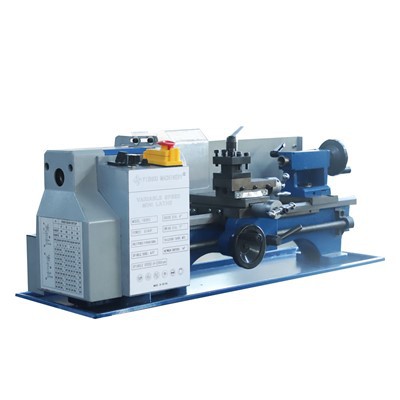
Let’s start with the basics. A metal lathe is a workhorse in the machining world. It’s used to shape metal parts by rotating them against a cutting tool. But like any piece of machinery, it needs regular maintenance to perform at its best and have a long lifespan.
Daily Maintenance
Every day before you fire up your metal lathe, there are a few quick checks you should do. First off, take a good look at the machine. Check for any visible signs of damage like cracks in the bed, loose bolts, or worn – out belts. A loose bolt can cause vibrations during operation, which not only affects the quality of your work but can also put extra stress on the machine’s components.
Next, lubricate the moving parts. The lead screw, feed rod, and other friction – prone areas need a bit of oil daily. I usually recommend using a light – weight machine oil. Just a few drops in the right places can go a long way in reducing wear and tear. And don’t forget to clean the chips from the machine. Metal chips can build up quickly, and if they get into the workings of the lathe, they can cause all sorts of problems. A quick sweep with a brush and a vacuum works great.
Weekly Maintenance
On a weekly basis, you should conduct a more in – depth inspection. Start by checking the spindle bearings. These are the heart of the lathe, and if they’re not in good condition, your lathe won’t be able to spin parts accurately. You can use a feeler gauge to check the clearance in the bearings. If the clearance is too large, it might be time to replace them.
Also, take a look at the electrical connections. Loose or corroded wires can lead to electrical problems, which can be both dangerous and damaging to the machine. Make sure all the wires are properly connected and that there are no signs of fraying or burning.
Another important weekly task is to clean the coolant system. If your lathe uses coolant, the reservoir can get dirty over time with chips and debris. Drain the old coolant, clean the reservoir thoroughly, and refill it with fresh coolant. This helps keep the cutting tools cool and extends their life.
Monthly Maintenance
Once a month, it’s time to do some more heavy – duty maintenance. One of the key things to do is to calibrate the lathe. This involves checking the alignment of the spindle, tailstock, and carriage. Over time, these components can shift out of alignment, which affects the accuracy of the machining. You can use precision measuring tools to check and adjust the alignment.
The tool post and tool holders also need some attention monthly. Clean them thoroughly and check for any signs of wear. If the tool post is loose or the tool holders are damaged, it can cause the cutting tools to move during operation, resulting in a poor – quality finish on your parts.
And don’t forget about the gears. The gearbox on a metal lathe is a complex system, and the gears can wear down over time. Check the gear teeth for any signs of damage or excessive wear. If you notice any problems, it might be necessary to replace the gears or adjust the gear meshing.
Quarterly Maintenance
Every three months, you should perform a comprehensive maintenance check. This includes disassembling and cleaning some of the major components. For example, you can remove the headstock cover and clean the internal gears and bearings. Use a degreaser to remove any built – up oil and grime, and then lubricate the parts again.
The drive belts also need to be inspected quarterly. Check the tension of the belts and look for any signs of cracking or stretching. If the belts are too loose, the lathe won’t transfer power efficiently, and if they’re too tight, they can put extra strain on the motor and other components.
Annual Maintenance
Once a year, it’s time for a full – scale overhaul. This is when you really dig deep into the machine. You should completely disassemble the lathe and clean every single part. Inspect all the components for wear and damage, and replace any parts that are beyond repair.
This is also a good time to repaint the lathe. A fresh coat of paint not only makes the machine look better but also helps protect it from rust and corrosion.
After reassembling the lathe, perform a final calibration and testing. Make sure the machine is running smoothly and that it can produce accurate parts.

Now, you might be thinking, "That sounds like a lot of work!" But trust me, regular maintenance is much cheaper and easier than dealing with a major breakdown. By following these maintenance intervals, you can keep your metal lathe running smoothly for years to come.
Drill Presses If you’re in the market for a new metal lathe or need some advice on maintenance for your existing one, don’t hesitate to reach out. We’ve got a wide range of high – quality metal lathes in our inventory, and our team of experts is always ready to help you make the right choice and keep your machine in great shape. Whether you’re a hobbyist or a professional machinist, we’ve got something for you. So, drop us a line and let’s start a conversation about your machining needs!
References
- "Machinery’s Handbook" – A comprehensive guide to machining and machine maintenance.
- Manufacturer’s manuals of various metal lathes.
YS Machine Tools Co., Ltd.
We’re well-known as one of the leading metal lathe suppliers in China, featured by quality products and good service. Please rest assured to buy customized metal lathe at competitive price from our factory. Contact us for more details.
Address: 300 Sandusky st, Ohio, 43611, USA
E-mail: yishoumachinetools@gmail.com
WebSite: https://www.ysmachinetool.com/
