Hey everyone, it’s Mia from your go-to interior wall fiberglass mesh supplier – and today we’re tackling one of the most common questions I get dMed or asked at trade shows: Can our fiberglass mesh actually work on textured walls? Spoiler alert: This isn’t a yes/no answer, and if you’re a homeowner or contractor guessing based on what a buddy told you, you might end up with a mess that costs way more to fix later. Let’s break this down like we’re chatting over coffee (no stuffy jargon, promise). Interior Wall Fiberglass Mesh

First, let’s get one thing straight: Textured walls aren’t all the same. I see this mistake all the time – people group “popcorn” and “knockdown” and “orange peel” into one messy pile, but each plays totally different with fiberglass mesh. Let’s start with the basics of what interior wall fiberglass mesh even does, for anyone new here. Our product is a lightweight, alkali-resistant fiberglass weave (we test every batch, I swear – no flimsy stuff that breaks mid-job) that’s mostly used to stop cracks. Think drywall tape, but way more durable for areas that get knocked, bumped, or settle over time – like corners, joints between old and new drywall, or that spot above your baseboards where the wall shifts. It’s like a invisible safety net for your paint job, basically.
Now, back to textured walls. Let’s split this into two big categories because that’s where the real answer lives: lightly textured walls (orange peel, skip trowel, light knockdown) and heavily textured walls (popcorn, heavy knockdown, stippled texture). Let’s start with the lightly textured crew, because that’s where fiberglass mesh works like a charm – if you do it right. Wait, why does texture matter here? Because smooth walls and light texture both have a relatively even surface, so the mesh can stick. The key here is prep, which is 90% of any wall project, let’s be real. If you slap mesh on a lightly textured wall without prepping first, it’ll pop off or show through.
Let me walk you through a recent example – I had a regular contractor, Jake from Austin, hit me up last month. He was doing a bathroom reno where the walls had light orange peel, and he needed to patch a hairline crack that showed up after a new vanity went in. He tried using regular drywall tape first, but that wrinkled and the texture made it impossible to sand flat enough before painting. He switched to our fiberglass mesh, and guess what? It worked like a dream. Here’s what he did, for anyone taking notes: First, he scored the textured area around the crack with a putty knife to make a tiny “key” – not deep, just enough to rough up the bumps so the mesh had something to grab onto. Then he applied a thin layer of joint compound (not too thick, like frosting a cake) over the area, pressed the mesh into it, smoothed out any air bubbles with a taping knife, then covered it with another thin layer of compound. Wait, and here’s the hack for light texture: He let the compound dry completely, then sanded it with a fine-grit sanding block (no power sander, that’ll take off too much texture) to blend the patch into the existing wall. The result? You couldn’t even tell there was a crack – no lumps, no mesh showing through. Jake said he’d been avoiding mesh on textured walls for years because he thought texture would make it impossible, but that prep step changed everything.
Now, the not-so-straightforward part: heavily textured walls – popcorn, also called acoustic texture, or that chunky knockdown that looks like dried paint drips. I get why people ask about this; popcorn walls are super common in older homes, and everyone wants to update them without scraping all the texture off (let’s be real, scraping popcorn is a nightmare, and sometimes it has asbestos – yikes, no one wants that hassle). So can you put fiberglass mesh on popcorn textured walls? Short answer: It’s possible, but it’s not the best call, and here’s why. Heavily textured walls have super uneven, chunky surfaces. If you try to press mesh into that, the mesh will only stick to the peaks of the texture, not the valleys. Within a year, it’ll lift, bubble, and the paint will crack right over those spots. I’ve had a few contractors test this – one tried it on a basement wall with heavy stipple texture – and he ended up having to rip the mesh off, skim coat the entire wall (which means putting a thin layer of smooth compound over the texture), then apply mesh to the smooth surface anyway. Total waste of time and material, which no one wants.
Wait, but hold on – is there any exception for heavy texture? Let’s say you need to patch a big area on a popcorn wall, not just a tiny crack. Let’s be real, if the whole wall is popcorn and it’s in good shape, it’s usually better to leave it. But if there’s a big patch – like where you removed a doorway or patched a hole that’s bigger than a dinner plate – here’s the workaround, but I need to stress this is only for specific cases. You have to “feather” the edge of the patch first: sand down the thick popcorn edges around the hole so they’re thin and blend into the existing wall. Then, instead of just pressing mesh on top, you have to skim a thin layer of joint compound over the entire patch area before laying the mesh. That means the mesh is sitting on a slightly smooth base, not on the bumpy texture. Then you sand it to blend. But even then, I always tell people to test a small spot first. Do a tiny patch, let it dry, paint it, and wait a week – if it doesn’t bubble or crack, you’re good. If it does, scrap that plan and skim coat the whole wall instead. No sense in wasting your mesh (and money) on something that’s gonna fail.
Now, let’s talk about myths I hear all the time, because that’s half the battle here. First myth: Fiberglass mesh makes texture look worse. Nah, if you prep it right, it blends in way better than drywall tape. Drywall tape is paper, it’s stiff, and on textured walls, it’ll show as a thin line no matter how much compound you put over it. Fiberglass mesh is flexible, it lays flat even on lightly uneven surfaces, so when you sand it, it blends right in. Second myth: It’s only for new walls. No way – we sell so much mesh for patching old textured walls, people just don’t know it works if they do the prep. Third myth: All fiberglass mesh is the same. Nope. Cheaper mesh from the big box stores breaks way easier, it’s not alkali-resistant, so if it’s exposed to moisture (like in a bathroom or basement), it’ll deteriorate. Our mesh is tested to stand up to joint compound, paint, and even a little humidity, so it lasts for decades. That’s why contractors keep coming back.
Wait, also – let’s not forget about where you’re applying the mesh. Textured walls in high-moisture areas (bathrooms, laundry rooms, basements) are a totally different beast. Even lightly textured walls here need extra care. For these spots, I always recommend using a mesh that’s specifically rated for moisture, and making sure you use a mold-resistant joint compound too. Because if you have a textured bathroom wall, the texture can trap moisture, so the mesh needs to hold up. I had a customer, Lisa from Atlanta, who had popcorn texture in her bathroom and kept getting cracks above the shower. She tried skimming the whole wall, but it was too thin and kept cracking. She switched to our moisture-resistant mesh, prepped the edges by sanding down the popcorn, and now she’s had no cracks in two years. That’s the kind of win we love to see.
Another thing to consider: sanding. If you’re working with textured walls, sanding is your BFF, but you have to use the right tools. For lightly textured walls, a fine-grit sanding block works way better than a power sander, which will take off too much texture and leave you with a flat patch that sticks out like a sore thumb. For heavy texture, if you do need to sand, use a orbital sander with a light touch – just enough to feather the edges, not smooth the whole wall. Pro tip: Wipe the wall down with a damp cloth after sanding to get rid of all the dust, otherwise the mesh won’t stick.
Now, I know what some of you are thinking – “This sounds like a lot of work, can’t I just skip the prep?” Let’s be real, skipping prep is how you end up with a wall that needs to be redone in six months. I’ve seen it so many times, and even though my job is to sell mesh, I’d rather tell you if it’s not worth your time. If you have a heavily textured wall and you don’t want to scrape or skim coat, then fiberglass mesh might not be the fastest fix. But if you’re willing to put in 10 extra minutes of prep, even on heavy texture, you can pull it off for small patches.
Wait, let’s circle back to the original question one more time, because I don’t want to leave anyone confused. The short, actionable answer is: Yes, interior wall fiberglass mesh can be used on textured walls – but only if you match the mesh type to the texture type, and do the right prep work. Lightly textured walls (orange peel, skip trowel, light knockdown) are perfect for mesh, just rough up the texture around the area first, apply compound, lay the mesh, smooth it, and sand flat. Heavily textured walls (popcorn, heavy stipple) work for small patches if you feather the edges first and create a smooth base for the mesh – but for larger areas, skim coating is the more reliable, long-lasting option. And for high-moisture textured walls, always go for a moisture-resistant mesh.
Before I wrap this up, a quick plug (but not the annoying kind) – if you’re a homeowner tackling a wall project, or a contractor who needs reliable mesh that doesn’t fall apart mid-job, we’ve got you covered. We ship nationwide, offer bulk pricing for crews, and can even send you a free sample so you can test the quality before you buy. No hidden fees, no sketchy jargon, just good mesh for your interior walls.
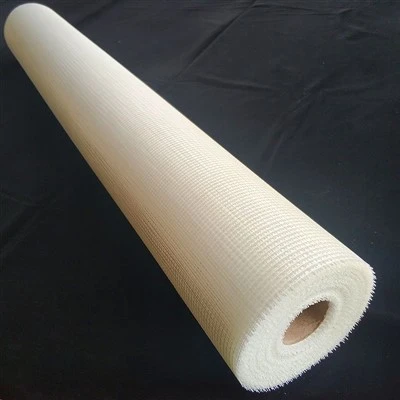
If you have more questions – whether it’s about prep, mesh types, or how to tackle that tricky popcorn wall – hit us up anytime. We’re here to help, not just sell product. Don’t let textured walls stress you out – with the right mesh and a little prep, you can get that smooth, crack-free finish you’ve been wanting.
Fiberglass Tissue References:
- National Wood Flooring Association. Interior Wall Surface Preparation and Repair Guidelines, 2022.
- Tile Council of North America. Fiberglass Mesh Applications for Residential Wall Repairs, 2021.
- U.S. Environmental Protection Agency. Asbestos Identification and Removal for Residential Textured Walls, 2020.
Danyang Yonggu Building Materials Co., Ltd.
Danyang Yonggu Building Materials Co., Ltd. is one of the most professional interior wall fiberglass mesh manufacturers and suppliers in China, featured by quality products and good price. Please rest assured to wholesale customized interior wall fiberglass mesh made in China here from our factory.
Address: Danyang City, Jiangsu Province, P.R. China
E-mail: sales02@cnyongu.com
WebSite: https://www.ygfiberglass.com/
