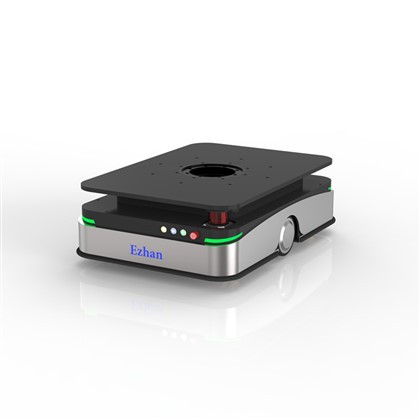
In the increasingly automated world of modern logistics and manufacturing, Automated Guided Vehicles (AGVs) have emerged as a cornerstone of efficient operations. As a seasoned AGV supplier, I’ve witnessed firsthand the transformative impact these vehicles have on various industries. One of the most critical performance indicators that customers often inquire about is the response time of AGVs to commands. In this blog post, I’ll delve into what response time means, the factors that influence it, and why it matters in real – world applications. AGV
What is the Response Time of AGVs to Commands?
The response time of an AGV to commands refers to the duration between the moment a command is issued to the AGV and the moment the AGV starts to execute that command. This time interval is measured in milliseconds or seconds, depending on the complexity of the command and the design of the AGV system.
Imagine a warehouse scenario where inventory needs to be moved from one storage location to a shipping area. The warehouse management system (WMS) sends a command to an AGV to pick up a pallet from a specific rack. The response time is the time from when the WMS transmits the command until the AGV begins to move towards the rack. In more complex tasks, such as when an AGV has to re – route due to an obstacle, the response time includes the time for the AGV to receive the new command, process it, and adjust its path accordingly.
Factors Influencing AGV Response Time
1. Communication Technology
The method of communication between the control system and the AGV plays a significant role in response time. Most modern AGVs use wireless communication technologies such as Wi – Fi or Bluetooth. Wi – Fi, for example, offers high – speed data transfer and wide coverage, but its performance can be affected by interference from other wireless devices in the environment. Bluetooth, on the other hand, has a shorter range but can provide more stable communication in small – scale applications. A reliable and fast communication protocol ensures that commands are transmitted quickly and accurately to the AGV, reducing the overall response time.
2. AGV Hardware Design
The hardware components of an AGV, including its processor, sensors, and actuators, also impact response time. A powerful processor can quickly analyze and execute the commands received. For instance, an AGV equipped with a multi – core processor can handle complex algorithms for path planning and obstacle avoidance more efficiently than one with a single – core processor, leading to a faster response. Sensor technology is another crucial factor. AGVs with high – precision sensors can detect their surroundings more accurately and respond to changes in the environment promptly. For example, laser scanners can detect obstacles in real – time, allowing the AGV to stop or change its path immediately upon receiving a relevant command.
3. Software Algorithms
The software algorithms running on the AGV are responsible for interpreting commands and making decisions. Advanced path – planning algorithms can optimize the AGV’s route based on real – time data, reducing the time it takes to start moving towards the target. Additionally, algorithms for obstacle detection and avoidance need to be fast and accurate. Machine learning – based algorithms, for example, can continuously learn from past experiences and improve the AGV’s response to various situations over time.
4. Environmental Conditions
The physical environment in which the AGV operates can affect its response time. In a crowded warehouse with many obstacles and high – traffic areas, the AGV may need more time to process the command and find a clear path. Uneven floors, poor lighting, or extreme temperatures can also impact the performance of the AGV’s sensors and actuators, leading to slower response times.
Importance of AGV Response Time in Real – World Applications
1. Efficiency in Warehousing and Logistics
In a busy warehouse, every second counts. A fast – responding AGV can significantly increase the throughput of the facility. For example, in an e – commerce fulfillment center, where orders need to be processed and shipped quickly, AGVs with short response times can pick and deliver items more efficiently, reducing the overall order fulfillment time. This translates into higher customer satisfaction and increased competitiveness in the market.
2. Safety in Manufacturing
In a manufacturing environment, AGVs are often used to transport heavy and valuable materials. A quick response time is crucial for safety. If an AGV can promptly respond to a stop command in case of an emergency, it can prevent collisions and protect both the equipment and the workers. Moreover, in a production line where AGVs are integrated with other automated machines, fast response times ensure smooth coordination between different processes.
3. Cost – Effectiveness
AGVs with shorter response times can operate more productively, which means fewer vehicles are needed to achieve the same level of output. This reduces the capital investment required for purchasing AGVs and also lowers the operating costs associated with maintenance and energy consumption.
Measuring and Optimizing AGV Response Time
As an AGV supplier, we use a variety of methods to measure and optimize the response time of our vehicles. We conduct extensive testing in both laboratory and real – world settings to accurately measure the response time under different conditions. During testing, we simulate various scenarios, such as multiple commands, obstacles, and different communication settings, to ensure that the AGV can perform reliably.
To optimize response time, we continuously improve our communication protocols, hardware designs, and software algorithms. We also provide training and support to our customers to ensure that they can operate the AGVs in an environment that maximizes response time. For example, we can help customers optimize the layout of their warehouses to reduce the complexity of the AGV’s path and minimize the impact of environmental factors.
Conclusion
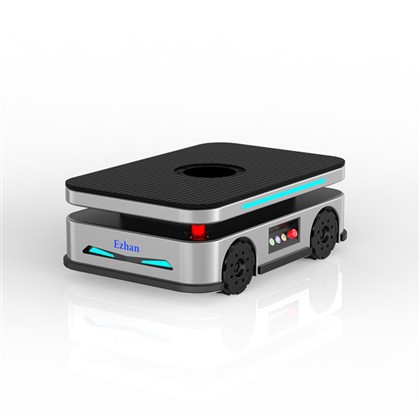
The response time of AGVs to commands is a critical factor that directly impacts the efficiency, safety, and cost – effectiveness of automated operations. As an AGV supplier, we are committed to providing high – performance AGVs with short response times. Our in – depth understanding of the factors influencing response time allows us to develop and deliver solutions that meet the diverse needs of our customers.
Customized AMR/AGV Robot If you are looking to enhance the efficiency of your logistics or manufacturing operations with AGVs, we would love to have a conversation with you. Our team of experts can help you select the right AGV solution based on your specific requirements and provide comprehensive support throughout the implementation process. Contact us to start a procurement discussion and take your operations to the next level.
References
- "Automated Guided Vehicles: Technology, Implementation, and Operations" by David A. Dornfeld
- "Industrial Automation: Theory and Application" by John R. Vacca
- Research papers on AGV performance optimization from leading academic journals in the field of robotics and automation.
Shenzhen Ezhan Technology Co., Ltd.
We’re known as one of the most reliable AGV manufacturers and suppliers in China. With abundant experience, we warmly welcome you to buy bulk customized AGV from our factory. If you have any enquiry about cooperation, please feel free to email us.
Address: Room 1808, 1809, 1810, Building 2, Aipark, Baolong 4th Road, Longgang District, Shenzhen City
E-mail: sales01@ezhankeji.com
WebSite: https://www.ezhanrobot.com/
