As a down jacket supplier, I’ve been frequently asked whether down jackets are waterproof. This question is not only relevant to consumers looking for the perfect outerwear but also crucial for businesses in the outdoor and fashion industries. In this blog, I’ll explore the science behind the waterproofness of down jackets, the factors that affect it, and how to choose the right down jacket for your needs. Down Jackets

The Basics of Down Jackets
Before delving into the waterproof aspect, it’s essential to understand what down jackets are made of. Down is the soft, fluffy layer of feathers found beneath the tougher exterior feathers of ducks and geese. It’s prized for its exceptional insulation properties, as it can trap a large amount of air, creating a warm barrier between the body and the cold environment.
The quality of down is measured by its fill power, which indicates how much space one ounce of down occupies. A higher fill power means the down is more lofty and can provide better insulation with less weight. For example, a down jacket with a fill power of 800 will be warmer and lighter than one with a fill power of 600.
Are Down Jackets Waterproof?
The short answer is no, traditional down jackets are not waterproof. Down is a natural material, and when it gets wet, it loses its ability to trap air and provide insulation. This is because the water causes the down clusters to clump together, reducing the amount of air space between them. As a result, the jacket becomes less warm and takes longer to dry.
However, this doesn’t mean that down jackets can’t be worn in wet conditions. Many modern down jackets are treated with water – repellent coatings to make them more resistant to moisture. These coatings, often referred to as Durable Water Repellent (DWR) treatments, work by causing water to bead up on the surface of the fabric rather than soaking in.
How DWR Treatments Work
DWR treatments are typically applied to the outer shell of the down jacket. They are made up of chemicals that create a hydrophobic (water – repelling) surface. When water comes into contact with the treated fabric, it forms droplets that roll off the surface, preventing the water from penetrating the fabric and reaching the down inside.
The effectiveness of a DWR treatment depends on several factors. Firstly, the quality of the treatment itself plays a significant role. Higher – quality DWR treatments tend to last longer and provide better water repellency. Secondly, the fabric of the outer shell also affects how well the DWR works. Fabrics with a tighter weave are generally more effective at repelling water than those with a looser weave.
Over time, the DWR treatment on a down jacket will wear off. This can happen due to regular use, washing, or exposure to harsh environmental conditions. When the DWR treatment wears off, the jacket will become more susceptible to water penetration, and the down inside may get wet.
Limitations of DWR – Treated Down Jackets
While DWR treatments can significantly improve the water resistance of down jackets, they have their limitations. DWR – treated jackets are designed to withstand light rain and snow, but they are not suitable for heavy, prolonged exposure to water.
In heavy rain or wet snow, the water can eventually overcome the DWR treatment and soak into the fabric. Once the down gets wet, it will lose its insulating properties, and the wearer will start to feel cold. Additionally, if the jacket is submerged in water, the DWR treatment will not be able to prevent the down from getting wet.
Alternatives for Wet Conditions
If you need a jacket that can withstand heavy rain or wet conditions, there are several alternatives to traditional down jackets. One option is a synthetic – filled jacket. Synthetic insulation materials, such as polyester fibers, are not affected by water in the same way as down. They can retain their insulating properties even when wet and dry much faster.
Another option is to wear a waterproof outer shell over a down jacket. This combination allows you to take advantage of the warmth of the down jacket while protecting it from the elements. A good waterproof outer shell should be breathable to prevent sweating and moisture buildup inside the jacket.
Choosing the Right Down Jacket
When choosing a down jacket, it’s important to consider your intended use. If you’ll be using the jacket in dry, cold conditions, a traditional down jacket with a high fill power will provide excellent insulation. However, if you expect to encounter wet weather, look for a down jacket with a high – quality DWR treatment.
You should also pay attention to the outer shell fabric of the down jacket. A tightly woven fabric, such as nylon or polyester, is more likely to be water – resistant. Additionally, some jackets have a water – resistant membrane in the outer shell, which can provide an extra layer of protection against water.
Maintaining the Waterproofness of Down Jackets
To keep your down jacket as water – resistant as possible, it’s important to maintain the DWR treatment. This can be done by following the manufacturer’s care instructions. In general, it’s recommended to wash the jacket with a mild detergent designed for down jackets and avoid using fabric softeners, as they can damage the DWR treatment.
After washing, you can re – apply the DWR treatment. There are many DWR sprays and washes available on the market that can help restore the water – repellency of your jacket. Make sure to follow the instructions on the product carefully.
Conclusion
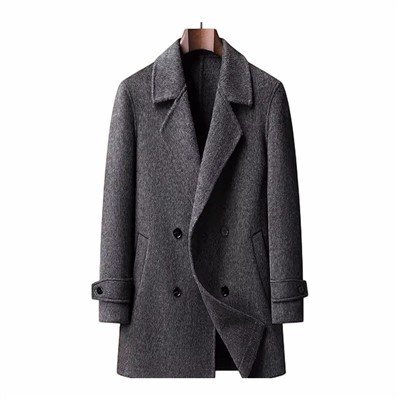
In conclusion, while traditional down jackets are not waterproof, modern DWR – treated down jackets can offer a good level of water resistance. However, they have their limitations and are not suitable for heavy, prolonged exposure to water. When choosing a down jacket, consider your intended use and look for a jacket with a high – quality DWR treatment and a suitable outer shell fabric.
Casual Wear As a down jacket supplier, I’m committed to providing high – quality products that meet the needs of our customers. Whether you’re looking for a warm, dry jacket for a winter hike or a stylish outerwear for everyday use, we have a wide range of down jackets to choose from. If you’re interested in purchasing down jackets for your business or personal use, I encourage you to reach out to us for a procurement discussion. We can offer you competitive prices, excellent quality, and personalized service.
References
- "The Science of Down Insulation" by Outdoor Research
- "Water – Repellent Fabrics: How They Work" by Textile World
- "Choosing the Right Insulation for Your Jacket" by REI Co – op
Anhui Lida Garment Co., Ltd
We are one of the most experienced down jackets manufacturers and suppliers in China, specialized in providing high quality customized service to global clients. Please feel free to wholesale bulk high-end down jackets from our factory. Also, free sample is available.
Address: Intersection of Gulou North Street and Wei-3 Road, Chengguan Town, Shucheng County, Lu’an City, Anhui Province
E-mail: leaderclothing2026@163.com
WebSite: https://www.leader-clothing.com/
