Hey there! I’m a supplier of carbon steel coils, and I’ve been deeply involved in this industry for quite some time. Today, I’d like to dive into the topic of what the environmental impact of carbon steel coil production is. Carbon Steel Coil
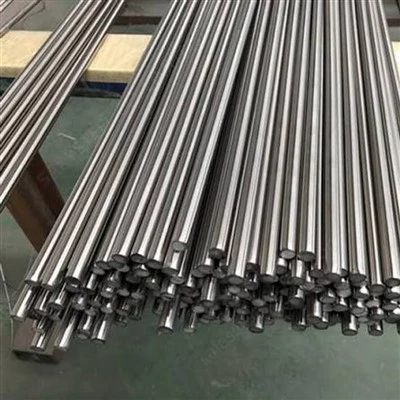
The Basics of Carbon Steel Coil Production
Before we delve into the environmental aspects, let’s quickly understand how carbon steel coils are made. Carbon steel is an alloy of iron and carbon, with carbon content typically ranging from 0.05% to 2.1%. The production process involves several key steps.
First, iron ore is mined from the earth. This is usually a large – scale operation that requires significant energy and resources. The iron ore is then transported to a processing plant, where it is refined into iron through a process called smelting. In smelting, the iron ore is heated with coke (a form of carbon) and limestone in a blast furnace. This process not only requires a vast amount of heat energy, often derived from coal or natural gas, but also produces large amounts of carbon dioxide as a by – product.
Once the iron is produced, it is further processed to adjust the carbon content and add other alloying elements as needed. The molten steel is then cast into semi – finished products, such as slabs or billets. These semi – finished products are then hot – rolled or cold – rolled into thin sheets, which are coiled into carbon steel coils.
Energy Consumption and Greenhouse Gas Emissions
One of the most significant environmental impacts of carbon steel coil production is energy consumption. The entire production process, from mining the iron ore to coiling the final product, is energy – intensive. The blast furnace operation, for example, consumes large amounts of fossil fuels, primarily coal. Coal is burned to provide the heat necessary for the chemical reactions in the blast furnace, but it also releases a substantial amount of carbon dioxide (CO₂) into the atmosphere.
According to industry reports, the steel industry is one of the largest industrial emitters of CO₂ worldwide. For every ton of steel produced, approximately 1.8 – 2.2 tons of CO₂ are emitted on average. This is a major concern as CO₂ is a greenhouse gas that contributes to global warming and climate change. The large – scale energy consumption also places a strain on natural resources, as the extraction and use of fossil fuels are finite and environmentally damaging.
Water Usage
Water is another crucial resource in carbon steel coil production. Water is used for various purposes throughout the production process, including cooling in the blast furnace, cleaning the steel surfaces, and in the rolling mills. The water usage in the steel industry is significant, and a large portion of it is often sourced from rivers, lakes, or groundwater.
The withdrawal of such large amounts of water can have a negative impact on local water ecosystems. It can reduce water levels in natural water bodies, affecting aquatic life and the availability of water for other users, such as agriculture and domestic consumers. Additionally, the water that is used in the production process often becomes contaminated with various pollutants, such as heavy metals, oils, and chemicals. If this wastewater is not properly treated before being discharged back into the environment, it can cause pollution and damage to the aquatic environment.
Solid Waste Generation
Carbon steel coil production also generates a large amount of solid waste. During the mining process, there are overburden materials that are removed to access the iron ore. These overburden materials are often discarded, taking up large areas of land and potentially causing soil erosion and habitat destruction.
In the steel – making process, slag is a major by – product. Slag is a mixture of impurities that are removed from the iron ore during smelting. While some slag can be recycled and used in other industries, such as construction, a significant amount still ends up in landfills. Other solid waste includes mill scale, which is a layer of iron oxide that forms on the surface of the steel during the rolling process, and various scrap materials that are generated during the production and finishing processes.
Air Pollution
In addition to CO₂ emissions, carbon steel coil production also contributes to air pollution. The combustion of fossil fuels in the blast furnace and other production facilities releases other pollutants, such as sulfur dioxide (SO₂), nitrogen oxides (NOₓ), and particulate matter.
SO₂ is a major air pollutant that can react with water vapor in the atmosphere to form acid rain. Acid rain can have detrimental effects on forests, lakes, and buildings, causing damage to ecosystems and infrastructure. NOₓ is also a significant pollutant that contributes to the formation of smog and ground – level ozone, which can have negative impacts on human health, especially for people with respiratory problems. Particulate matter, which consists of tiny solid or liquid particles in the air, can cause respiratory and cardiovascular diseases when inhaled.
Our Efforts as a Supplier
As a carbon steel coil supplier, we are well – aware of these environmental challenges and are taking steps to minimize our environmental impact. We are actively promoting energy – efficient technologies in our production processes. For example, we are investing in more advanced blast furnace technologies that can reduce energy consumption and CO₂ emissions. Some of these technologies include the use of oxygen – enriched blast and top – gas recycling, which can improve the efficiency of the chemical reactions in the blast furnace and reduce the amount of coal needed.
We are also implementing strict water management practices. We have installed advanced water treatment systems to ensure that the wastewater generated in our production process is treated to a high standard before being discharged. In addition, we are working on reducing our water consumption through measures such as water recycling and reuse. By using recycled water in the cooling and cleaning processes, we can significantly reduce our reliance on fresh water sources.
In terms of solid waste management, we are increasing the recycling rate of our by – products. We are partnering with other industries to find new uses for slag and mill scale. For example, slag can be used as a substitute for cement in concrete production, which not only reduces the amount of waste going to landfills but also has the potential to reduce the carbon footprint of the construction industry.
To address air pollution, we are installing advanced air pollution control equipment in our production facilities. This includes scrubbers to remove SO₂ from the flue gases, selective catalytic reduction systems to reduce NOₓ emissions, and fabric filters to capture particulate matter. These measures help to ensure that the air emissions from our facilities meet or exceed environmental regulations.
Looking to the Future
The environmental impact of carbon steel coil production is a complex issue that requires the efforts of the entire industry. In the future, we believe that the development and adoption of new technologies will be crucial. For example, the use of hydrogen as a reducing agent in the steel – making process is a promising technology that could potentially eliminate CO₂ emissions. Hydrogen can react with iron oxide to produce iron and water, without generating any CO₂. However, the widespread use of hydrogen in the steel industry still faces many challenges, such as the high cost of hydrogen production and the need for significant infrastructure changes.
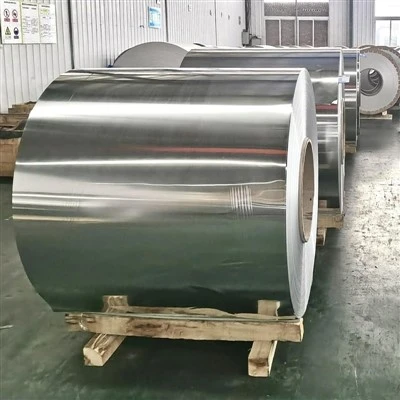
Another area of focus is the circular economy. By designing products for recyclability and increasing the recycling rate of steel, we can significantly reduce the demand for virgin iron ore and the associated environmental impacts of mining and production. Steel is one of the most recycled materials in the world, but there is still room for improvement.
Connecting with Us
Stainless Steel Coil If you’re interested in purchasing high – quality carbon steel coils from a supplier that is committed to environmental sustainability, we’d love to talk to you. Our products are not only manufactured to the highest quality standards but also with the environment in mind. Whether you’re in the construction, automotive, or manufacturing industry, we can provide you with the right carbon steel coils for your needs. Reach out to us for more information on our products, sustainability initiatives, and to discuss your specific requirements.
References
- International Energy Agency (IEA). Steel Technology Roadmap.
- World Steel Association. Climate Action in the Steel Industry.
- U.S. Environmental Protection Agency (EPA). Steel Manufacturing Industry Profile.
Wuxi Jin Ming Jian De Industry & Trade Co., Ltd.
Wuxi Jin Ming Jian De Industry & Trade Co., Ltd. is one of the most professional carbon steel coil manufacturers and suppliers in China, also supports customized service. With abundant experience, we warmly welcome you to wholesale CE approved carbon steel coil in stock here from our factory. If you have any enquiry about quotation, please feel free to email us.
Address: 2102-2105, Yuexing Building, Guangnan Road, Liangxi District, Wuxi City, Jiangsu Province, China.
E-mail: info@wxjmjdss.com
WebSite: https://www.jmjdsteelexp.com/
