Hey there, fellow plant lovers! I’m a supplier of plant trellis stakes, and I get this question a lot: "Are plant trellis stakes compatible with all types of planters?" Well, let’s dive right in and find out. Plant Trellis Stakes
Understanding Plant Trellis Stakes
First off, let me give you a quick rundown on what plant trellis stakes are. They’re those handy little (or not – so – little) supports that help your climbing plants grow upright. Whether it’s tomatoes in your vegetable garden, roses in your flower bed, or ivy in a hanging basket, trellis stakes provide the structure these plants need to thrive.
They come in different materials like wood, metal, and plastic. Each has its own pros and cons. Wood gives a natural look and is eco – friendly but can rot over time. Metal is durable and strong but can rust in wet conditions. Plastic is lightweight, cheap, and resistant to the elements, but it might not be as aesthetically pleasing as the other two.
Compatibility with Different Planter Materials
Clay Planters
Clay planters are a classic choice. They’re porous, which means they allow air and water to pass through the walls, helping the soil breathe. But here’s the thing about using trellis stakes with clay planters. Clay is brittle. If you try to force a stake into a clay planter, there’s a high chance of cracking it.
The best way to use trellis stakes with clay planters is to drill a small hole first. Make sure you use a drill bit that’s the right size for your stake. This way, you can gently insert the stake without causing any damage to the planter. And once it’s in, your plants can start climbing up and adding a beautiful touch to your clay pot.
Plastic Planters
Plastic planters are super popular because they’re lightweight, affordable, and come in all sorts of colors and shapes. The good news is that plant trellis stakes are usually very compatible with plastic planters. You can easily push the stakes into the soil in a plastic planter without much effort.
However, some cheap – quality plastic planters might be a bit flimsy. If the stake is too thick or you push too hard, the planter might deform. So, when using stakes with plastic planters, just be a little gentle and make sure the planter is sturdy enough to hold the stake and the growing plant.
Wooden Planters
Wooden planters give a warm, rustic look to your garden. They’re also relatively easy to work with when it comes to trellis stakes. You can either drive the stakes directly into the soil in the planter or attach them to the sides of the wooden box.
If you’re attaching them to the sides, you can use screws or nails. Just be careful not to split the wood. You can pre – drill holes to make it easier. And if your wooden planter is treated with chemicals to prevent rot, make sure the stakes you’re using are also safe to be in contact with the soil in that environment.
Compatibility Based on Planter Size and Shape
Small Planters
Small planters are great for herbs, succulents, or small ornamental plants. While most trellis stakes might be too big for these tiny pots, there are mini – trellis stakes available in the market. These are perfect for small planters. They provide just enough support for the small climbing plants without overwhelming the planter.
If you don’t have mini – stakes and you want to use a regular one, you can cut it down to size. Just make sure you use a proper tool and that the cut end is smooth so it doesn’t damage the plant or the planter.
Large Planters
Large planters can hold big, heavy plants. And this is where strong and sturdy trellis stakes come in handy. You can use multiple stakes in a large planter to provide better support. For example, for a large tomato plant, you can place three or four stakes around the plant and then tie them together at the top to form a cage.
When it comes to large planters, you also have more flexibility in terms of the type of trellis you can use. You can go for elaborate, multi – level trellises that will look really cool and give your plants plenty of room to grow.
Unusual Shaped Planters
There are all sorts of wacky – shaped planters out there, like oval, triangular, or hanging planters. For oval or triangular planters, you need to be a bit more strategic when placing the trellis stakes. You might need to adjust the angle at which you insert the stakes to make sure they are stable and can support the plant properly.
Hanging planters are a bit different. You can’t push stakes into the soil like you would with a regular planter. Instead, you can use built – in hooks or brackets on the hanging planter to attach a trellis. There are also special hanging trellises available that are designed to be used with hanging planters.
Factors Affecting Compatibility
Plant Type
The type of plant you’re growing also plays a role in the compatibility of trellis stakes and planters. Some plants, like clematis, have very delicate stems. You need to use a trellis stake that has a smooth surface so it doesn’t damage the plant.
On the other hand, plants like pole beans are really strong and grow fast. They need a sturdy trellis and a planter that can hold the weight of the growing plant. If you use a weak stake or a flimsy planter for a fast – growing plant, it’s likely to fall over and cause damage to the plant.
Weight of the Plant
As the plant grows, it gets heavier. You need to make sure that both the trellis stake and the planter can support the weight. If you’re growing a heavy – fruiting plant like a watermelon in a small planter with a weak stake, it’s going to end up crashing down. A good rule of thumb is to choose a stake and a planter that are rated for the expected weight of the fully – grown plant.
Making the Most of Compatibility
So, how can you ensure that your plant trellis stakes and planters work well together? First, do your research before buying. Know the type of plant you want to grow, its growth habits, and its weight requirements. Then, choose the right planter material, size, and shape. And finally, select a trellis stake that is compatible with both the plant and the planter.
If you’re not sure, you can always ask for advice. As a supplier of plant trellis stakes, I’m more than happy to help you figure out what will work best for your specific situation.
Conclusion and Call to Action
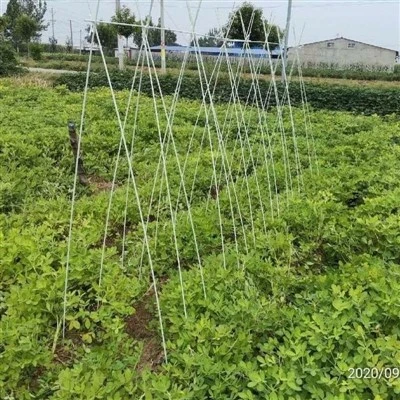
In conclusion, plant trellis stakes aren’t necessarily compatible with all types of planters. But with a little knowledge and some careful selection, you can find the perfect combination for your plants. Whether you’re a beginner gardener or a seasoned pro, having the right support for your plants is crucial for their growth and health.
Awning Pole If you’re looking for high – quality plant trellis stakes that are designed to work with a variety of planters, I can help. I’ve got a wide range of materials, sizes, and styles to choose from. If you’re interested in purchasing our plant trellis stakes or have any questions about compatibility, just reach out to me. We can have a chat and figure out the best solution for your gardening needs.
References
- "The Vegetable Gardener’s Problem – Solver Handbook" by Barbara W. Ellis
- "Gardening with Trellises and Arbors" by Louise Riotte
Shaoxing Longfan New Materials Technology Co., Ltd.
With abundant experience, we are one of the most professional plant trellis stakes manufacturers and suppliers in China. We warmly welcome you to wholesale customized plant trellis stakes at competitive price from our factory. If you have any enquiry about cooperation, please feel free to email us.
Address: Zhangzhen Industrial Park, Zhangzhen Town, Shangyu District, Shaoxing City, Zhejiang Province (No. 1118 Shunyang Road)
E-mail: 237367356@qq.com
WebSite: https://www.longfancomposites.com/
