If you’ve ever stood next to a dust collector on a manufacturing floor, woodworking shop, or metal fabrication site, you know how it hums—quiet, steady, like a hardworking workhorse that keeps the air breathable and machinery running. But here’s a question I get all the time, from small shop owners who just bought their first unit to plant managers overseeing 10+ systems across their facility: Do dust collectors really need regular servicing? It’s an easy question to skip if you’re already juggling a dozen tasks, but after 12 years as a dust collector supplier, I’ve seen firsthand what happens when people skip routine maintenance. This isn’t just about extending the life of a machine—it’s about safety, compliance, and keeping your operations from grinding to a halt. Dust Collectors
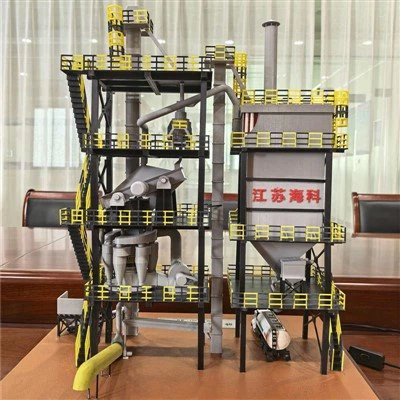
Let’s start with the basics, because I don’t want to throw jargon at you like I’m giving a sales pitch. A dust collector’s job is simple: it pulls airborne particulates (sawdust, metal shavings, chemical fumes, grain dust) out of the air and stores them in a collection bin, right? The workhorse part of that system is the filter pack—usually made of pleated fabric or polypropylene that catches even tiny particles. Over time, that filter gets clogged with dust. If left unattended, a clogged filter doesn’t just stop working—it starts making the entire system work harder, using more electricity, and eventually failing at the worst possible time.
Last year, I heard from a small cabinet maker in Ohio. He’d bought a 1,500 CFM (cubic feet per minute) dust collector from us two years prior, and figured since it was new, he didn’t need to do anything except empty the bin when it was full. He ran his shop 10 hours a day, six days a week, cutting oak and maple. By the end of the second year, his filter was so caked with fine sawdust that the system’s pressure gauge (a little $20 part we include with every unit) was peaking three times above the recommended level. That put extra strain on the fan motor, which burned out 10 minutes before he was set to deliver a $50,000 order to a local furniture chain. His downtime? Three days, plus the cost of a new motor and a deep filter cleaning (we had to send two techs out for a full service that cost him nearly $1,200). When he called me to apologize for skipping the quarterly service, he said he’d always thought dust collectors were “set it and forget it” equipment. Turns out, nothing that keeps your shop safe and productive is ever that simple.
Safety is the big one I don’t think enough people talk about. Dust accumulators—those collection bins we mentioned—aren’t just holding sawdust. For metal working sites, that bin can hold fine aluminum or magnesium dust, which is explosive if it builds up to the right concentration and gets a spark from a faulty motor or static electricity. For food processing facilities, grain dust or flour dust is combustible too, and can cause flash fires if not removed regularly. Last year, the Occupational Safety and Health Administration (OSHA) issued a report saying 15% of industrial dust-related fires were caused by overloaded collection bins that weren’t emptied on schedule, and another 22% were linked to clogged filters that pushed particulates into other parts of the building. Routine servicing isn’t just about keeping your machine running—it’s about keeping your team safe. We make it a point to walk every new customer through that on their first walkthrough: when we deliver their dust collector, we don’t just plug it in and leave. We show them how to check the pressure gauge, how often to empty the bin, and what signs to watch for that mean they need to call us for a service call.
But wait, you might be thinking: “I don’t have time for quarterly service calls, or the money for it.” I get it. Small business owners are stretched thin, and big plant managers have budgets to stick to. The thing is, skipping regular service costs more in the long run. Let’s do the math. A standard service call for a dust collector—including filter inspection, bin cleaning, fan motor check, and pressure calibration—costs around $350, depending on your location. If you do that four times a year, that’s $1,400. Compare that to the cost of a new filter (which runs $800 for a 1,500 CFM unit) that you have to replace early because you skipped cleaning, or a new motor that costs $2,500 (like the cabinet maker’s) that burns out because of strain. Or worse, a OSHA fine. OSHA’s standard for dust collector maintenance (1910.94) says facilities must keep their dust collection systems in working order, and failure to do so can result in fines of up to $15,625 per serious violation. That’s not a number you want to see on a letter from a regulator.
I also hear from people who say their filter is “fine” because they can still see air coming out of the exhaust. But here’s the thing: a clogged filter doesn’t always stop airflow. It just makes the system work harder to push air through, which means more energy use. Energy costs make up 30-40% of the total operating cost of a dust collector, according to a 2022 study from the Industrial Dust Collection Association (IDCA). If your filter is clogged by 25%, your system uses 25% more electricity than it needs to. For a plant that runs 24 hours a day, that’s an extra $1,500 a month in energy costs—money that could go toward hiring new staff, upgrading equipment, or even just taking a day off once in a while. Regular service keeps your energy bills low, which is a win for your bottom line.
Let’s talk about what regular servicing actually entails, because I don’t want you to think it’s just a tech showing up and wiping down a machine. A thorough service check for a dust collector includes four key parts: first, inspecting and cleaning the filters (or replacing them if they’re too damaged); second, emptying and inspecting the collection bin to make sure there are no clogs or buildup along the sides; third, checking the fan motor, belts, and pulleys to make sure they’re aligned and not wearing out; and fourth, calibrating the pressure gauge to make sure it’s giving accurate readings. Some smaller, portable dust collectors can have their filters cleaned by the shop owner (we include a how-to video for all our customers), but even portable units should have a professional service every six months, especially if they’re used daily. Larger, central dust collection systems that serve multiple areas of a factory or woodshop need more frequent service—quarterly, minimum—because they’re handling higher volumes of dust, which means more strain on the system.
A few years back, I worked with a large metal fabrication plant in Detroit that had two central dust collectors serving its main cutting floor. The plant manager had cut back on service calls in 2019 to save money, and within six months, he noticed that the air quality in the plant had dropped—workers were complaining of headaches, and the shop’s HVAC system was struggling to keep up. When our techs showed up to do a service, they found that one of the filters was completely clogged with aluminum dust, and the collection bin had so much buildup that it was rubbing against the fan blades, causing a faint grinding noise no one had noticed. The plant’s energy bills went up 18% in that six months, and they had to close the cutting floor for a full day to replace the filter and clean the bin. When I ran the numbers for him, he saw that the $1,400 he’d saved by skipping two service calls cost him $4,200 in energy over six months, plus $3,000 in downtime. That’s not a saving—that’s a loss.
I know there are a lot of myths out there about dust collectors and servicing. Some people think that modern dust collectors are so well-built that they don’t need regular maintenance. Others think that servicing is just a way for suppliers to make extra money. Let me bust both of those myths. Modern dust collectors are built to last, but they’re not invincible. Even the top-of-the-line units we sell can’t handle constant use without care. And while we do offer service plans, we don’t pressure customers into unnecessary work. We’ll show you what’s wrong, explain the cost, and let you decide. Our service techs are on staff, not outsourced, so we know every unit we sell inside and out—we’re not going to sell you a new filter if you just need a quick cleaning.
Another myth: if you have a dust collector with a pulse-jet cleaning system (a feature that blasts compressed air through the filter to clean it automatically), you don’t need to do manual servicing. That’s only partially true. Pulse-jet systems help, but they can only do so much. They’ll clean the surface of the filter, but they won’t fix a misaligned fan motor or a cracked hose, or empty the collection bin. I’ve seen pulse-jet systems fail because the compressed air line got clogged with dust, which meant the automatic cleaning wasn’t working. That’s a problem you can’t see if you don’t do regular checks.
So, what should you do if you’re wondering about your own dust collector? First, pull out your unit’s manual. Every reputable dust collector supplier includes a maintenance schedule in the manual, tailored to how often you use your system. If you don’t have the manual, or you bought your unit secondhand, give us a call—we can help you put together a schedule that works for your shop. Second, do a quick monthly check: look at the pressure gauge, empty the collection bin when it’s two-thirds full, and listen for any unusual noises from the fan or motor. Third, don’t wait for a problem to call a professional. If you notice a drop in airflow, higher energy bills, or strange smells coming from the exhaust, that’s your system telling you it needs a service.
At the end of the day, dust collectors are not set-it-and-forget-it equipment. They’re critical parts of your operations that keep your workers safe, your equipment running, and your business in compliance with federal and state regulations. Skipping regular servicing isn’t just a small oversight—it’s a risk to your team, your bottom line, and your reputation. We’ve worked with thousands of customers over the years, and the ones that stick to a regular service schedule are the ones that stay in business long-term. They have fewer breakdowns, lower energy bills, and most importantly, a safer workplace for their employees.

If you’re ready to put together a maintenance plan for your dust collector, or you have questions about servicing, our team is here to help. We offer flexible service plans for all types of dust collectors, from small portable units for woodworking shops to large central systems for manufacturing facilities. Whether you just need a one-time service check or a quarterly plan, we can tailor a solution that fits your needs and budget. Don’t wait until your next problem hits—reach out today to talk through your dust collector servicing needs, and let’s make sure your system stays running smoothly for years to come.
Dust Collectors References:
Occupational Safety and Health Administration. (2021). Industrial Dust Collection Systems: Safety Guidelines and Compliance Standards. U.S. Department of Labor.
Industrial Dust Collection Association. (2022). Annual Operating Cost Analysis for Commercial Dust Collection Systems. IDCA Technical Report Series.
National Fire Protection Association. (2023). Dust Hazard Management for Industrial Facilities. NFPA 654 Standard.
Jiangsu Haike Environmental Tech Co., Ltd.
As one of the most professional dust collectors manufacturers and suppliers in China, we’re featured by quality products and good service. Please rest assured to wholesale customized dust collectors at competitive price from our factory. Contact us for quotation.
Address: No.1, Wei’er Branch Road, Shanggang Industrial Park, Jianhu County, Yancheng City, Jiangsu Province, China
E-mail: 17388487000@163.com
WebSite: https://www.jshkhbwm.com/
