If you’ve ever spent time at a forestry yard, a landscaping site, or a firewood processing facility, you’ve likely seen a wood shredder hum along steadily, reducing piles of branches, stumps, and scrap lumber into uniform chips in minutes. As a wood shredder supplier, I get asked this question all the time: “What’s the duty cycle of a wood shredder, and why does it even matter?” It’s not just a technical buzzword—understanding duty cycle can mean the difference between a machine that works for your operation for 10 years and one that breaks down after 12 months of use. Today, I’m breaking down what duty cycle actually is for wood shredders, how it’s calculated, and what it means for you when you’re shopping for a machine. Wood Shredder
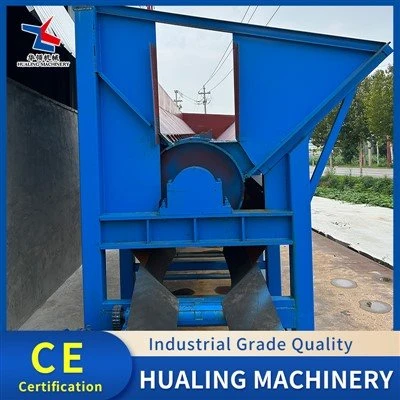
First, let’s get the basics straight. A duty cycle, in any piece of industrial equipment, is the ratio of time a machine can run continuously at full capacity before it needs a required period of rest to prevent overheating, wear, or permanent damage. For wood shredders, this isn’t like a lawnmower that runs for 30 minutes then needs 10 minutes to cool down—these are heavy-duty machines designed to process dense, tough material, so their duty cycles are tailored to handle hours of hard work, but not endless shifts without a break.
I’ve worked with hundreds of operators over the last 12 years, and the biggest mistake I see new business owners make is assuming all wood shredders have the same duty cycle. A homeowner’s small, electric chipper shredder might have a duty cycle of only 10 to 20 minutes: run it for 15 minutes shredding small branches, then let it sit for 45 to 75 minutes. But we’re talking about industrial wood shredders here—those for contractors, forestry companies, and biomass producers. Their duty cycles are way higher, but they still have hard limits.
Let’s get specific. For the horizontal grinders we supply for landscaping and general wood waste processing, the standard duty cycle is 75% for continuous operation. What does that mean, exactly? If you run that grinder for an 8-hour workday, it’s designed to run at full capacity for 6 hours, and needs 2 hours of rest or slower, lighter operation to cool, lubricate parts, and clear any built-up debris. The 75% figure isn’t arbitrary—it’s based on testing we and other industry leaders do under real working conditions, not lab settings. We’ll test a machine running non-stop through green oak branches, pallets with nails, and scrap lumber, monitoring engine temperature, hydraulic system pressure, and cutter head wear to find the sweet spot where it’s productive without breaking down.
Then there are the tub grinders, which are workhorses for forestry operations processing whole trees and stumps. Their duty cycles are often a bit lower, around 65% for heavy, high-volume use. Why? Tub grinders lift and drop large amounts of material into the tub, putting more strain on the motor, belts, and gears. If you run a tub grinder at 100% duty cycle, 24/7, you’ll blow a hydraulic line or burn out the engine in weeks, not years. I had a customer a few years ago who bought a used tub grinder and ignored the duty cycle specs—he was processing 20 tons of oak a day and thought “rest time is lost money.” After three months, the main cutter shaft wore down so bad he had to pay $12,000 for a replacement. That’s when he realized duty cycle isn’t about being lazy—it’s about being profitable long-term.
Vertical shaft shredders, the kind used for making uniform wood chips for biomass or animal bedding, have a higher duty cycle, often 85%. Why? They process smaller, more consistent material, so less strain on the internal components. If your operation needs to run a 10-hour shift churning out chips for a local biomass plant, an 85% duty cycle means you only need 1.5 hours of rest over that 10 hours, which is way more productive than running a tub grinder in the same scenario.
Now, how is duty cycle measured, and why do some brands lie about it? That’s the frustrating part. Some cheap, no-name brands will advertise a 100% duty cycle for their shredders, but that’s not based on real testing. Industrial standards from the Forest Products Society (FPS) and the Association of Equipment Manufacturers (AEM) say duty cycle testing should be done under full load, with material that matches what the machine is designed to process, and over a continuous period of 10 working hours minimum. A lot of small brands test their shredders with only dry, thin branches, and brag about 100% duty cycle, but put a load of wet, heavy oak through it, and it shuts down after 20 minutes. As a supplier, I only stand behind machines that meet FPS and AEM duty cycle standards—we test every shredder we sell in our yard before it leaves, using the same material our customers will actually be working with.
What factors affect a wood shredder’s duty cycle? It’s not just the machine itself—your operation matters too. If you’re shredding small, dry branches, your duty cycle will be higher than if you’re shredding large, wet hardwood with embedded rocks. If you regularly process pallets with nails, that extra resistance lowers the effective duty cycle, even if the machine is rated for 75%. That’s why when we help customers choose a shredder, we ask what they’ll be processing most often, and what their shift lengths are. A small contractor with a 4-hour a day landscaping business doesn’t need the same 75% duty cycle machine as a forestry company running two 12-hour shifts a day.
Another common question: can you run a shredder above its rated duty cycle? For short periods, maybe, but it’s not recommended. If you need to get a big job done and have to push it a little, an extra 10 or 15 minutes over a 8-hour shift won’t do major damage. But if you make a habit of running your shredder at 100% for days on end, you’ll shorten its lifespan by 50% or more, and face higher maintenance costs. I had a customer last year who had our 75% duty cycle horizontal grinder, and needed to process a storm-damaged grove of oak trees in 5 days instead of 7. He ran it at 90% duty cycle for 5 days straight, no breaks. When he was done, the engine needed a full rebuild, which cost him $8,000—more than the extra revenue from finishing the job early. That’s a hard lesson, but one I share with every customer I work with.
So, what does the right duty cycle look like for your business? Let’s break it down by use case, based on what we recommend to our customers:
- Homeowners & small landscaping crews (1-4 hour shifts, processing small branches, brush): A 50-60% duty cycle is more than enough. You don’t need an industrial-grade machine, and running it beyond that will just wear it out faster.
- Mid-sized contractors (4-8 hour shifts, processing yard waste, small trees, pallets): 70-75% duty cycle is ideal. This balances productivity and longevity, so you can get through a full shift without constant breakdowns.
- Forestry & large landfill operations (8+ hour shifts, processing whole trees, stumps, large waste loads): 60-65% duty cycle. These jobs put the most strain on machines, so you need a little extra rest time to avoid major repairs.
- Biomass & wood product producers (8-12 hour shifts, processing consistent, small to medium chips): 80-85% duty cycle. These are specialized shredders built for steady, high-volume production, so their duty cycles are tailored for long shifts.
It’s also important to note that duty cycle isn’t just about time—it’s also about load. Some manufacturers rate duty cycle based on idle time, but that’s not useful. We rate our machines’ duty cycles at full load, meaning they’re processing the maximum material size and hardness they’re designed for. If you’re only running your shredder at half capacity, you can extend its effective duty cycle, but you’re not getting the productivity you paid for.
As a wood shredder supplier, my job isn’t just to sell you a machine—it’s to make sure it works for your business. That means being honest about duty cycles, not overselling a machine that’s too big or too small for your needs. I’ve had customers come to us after buying a cheap shredder with false “100% duty cycle” claims, and we work with them to upgrade to a machine that fits their operation. It’s better for them, and it’s better for our long-term relationships.
I can’t tell you how many times I’ve heard operators say, “I wish I had known about duty cycle before I bought that machine.” It’s not a complicated concept, but it’s one that’s often overlooked, especially by new business owners who are focused on getting the job done fast. Duty cycle is about planning for the long run: if you respect your machine’s limits, it will be a reliable workhorse for years, saving you money on repairs and replacements.
If you’re in the market for a wood shredder, don’t just look at the horsepower or the price tag. Ask the supplier about the duty cycle, how it’s tested, and what it’s rated for when running with the kind of material you process. And remember: a machine’s duty cycle isn’t a suggestion—it’s a guideline to keep your operation running smoothly.
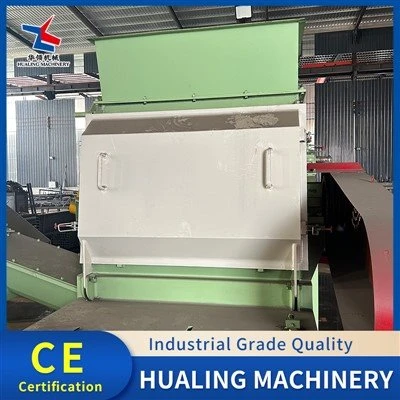
Now, if you’re ready to talk about what duty cycle fits your needs, or want more details on the shredders we carry, don’t hesitate to reach out. We can walk you through different models, test specifications, and help you find the right machine for your business.
Wood Hammer Mill References
Forest Products Society. (2020). Standard Test Method for Evaluating Duty Cycles of Industrial Wood Shredders. FPS 7-2020.
Association of Equipment Manufacturers. (2021). Industrial Shredder Performance and Safety Standards. AEM Publication 45-2021.
National biomass Board. (2022). Equipment Guidelines for Wood Chip Production for Energy Applications. NBB Technical Bulletin 12-2022.
Shandong Hualing Machine Manufacturing Co., Ltd.
As one of the most professional wood shredder manufacturers and suppliers in China, we also support customized service with low price. Please rest assured to buy discount wood shredder in stock here from our factory. If you have any enquiry about quotation, please feel free to email us.
Address: Industrial Park, Dagong Village, Changshan Town, Zouping City, Shandong Province
E-mail: hualing@sdhualing.com
WebSite: https://www.hualingmachine.com/
