Alright, let’s get real for a second. When most people think of pergolas, the first materials that pop up are wood (oak, cedar, pressure-treated pine) or aluminum, right? I’m the owner of a clay brick supply company, and I get asked this all the time: “Clay bricks for a pergola? Isn’t that overkill? Or way too heavy?” Let’s break this down—no sales jargon, just straight talk, based on what I’ve seen customers pull off, and the science behind both clay bricks and pergola structure. Clay Brick
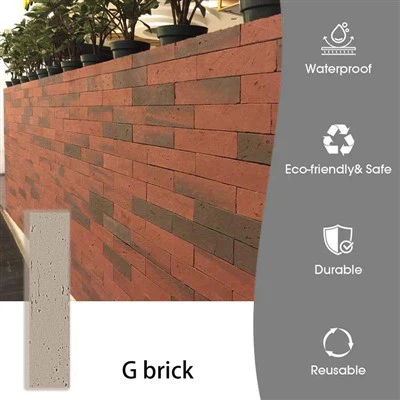
First, let’s address the elephant in the room: weight. A standard red clay brick, the kind we supply to contractors and DIYers alike, weighs about 4.5 pounds each. If someone’s thinking of using bricks for the entire pergola frame—posts, beams, rafters—wait, that’s not what I’m talking about. That’s where most people go wrong. What works? Using clay bricks for the pergola’s anchor piers. Those are the concrete footings you’d normally dig and pour, right? Bricks can replace that concrete (or pair with it) way more effectively, and they add a ton of benefits you might not have considered.
Wait, let’s back up for anyone who’s new to pergolas: an anchor pier is the base under each post, it’s what keeps the whole structure from tipping over in wind, shifting soil, or just regular wear and tear. Normally, you dig a hole 2-3 feet deep (depending on your area’s frost line—super important, by the way), fill it with concrete, stick a post in it, and call it good. But if you swap that concrete pour for clay bricks, you’re not just cutting material costs—you’re upping the durability big time.
Let’s talk about why clay bricks hold up outdoors better than people think. Unlike wood, which rots, warps, or gets eaten by termites if it’s not pressure-treated, clay is inorganic. It doesn’t attract pests, it doesn’t hold moisture long-term (wait, hold on—when bricks are laid with mortar, the gaps between them let water drain through, right? So they don’t sit in a pool of moisture like rotting wood does). I’ve seen pergola piers made with our clay bricks 20 years ago in Florida, where humidity is brutal, and they look almost the same as the day they were installed. No cracking, no discoloration, just that natural earthen patina that gets nicer over time.
But wait, can you actually use bricks for more than just piers? Like, the side walls or even the top rafters? Let’s be honest—structural engineering is non-negotiable here. A standard wooden pergola beam is, what, 6×6 lumber? That’s designed to hold its shape and support light overhead elements, like climbing vines or patio lights. A brick beam would be way heavier, so you’d need to size your posts and piers way bigger to support that weight. But for smaller, decorative touches on a pergola—like wrapping the outer edges of the posts with bricks, or building low brick benches attached to the pergola frame—totally doable. We did a job last year in Austin where a homeowner used our beige clay bricks to line the perimeter of their pergola’s deck, and added small brick planters for climbing roses on either side of each post. It looked so much more custom than a plain wood pergola, and it cost them less than adding those same planters with pressure-treated lumber.
Now, let’s get into the practical stuff that matters if you’re even thinking about this. First, frost line. If you live in a place where the ground freezes more than a few inches deep (like the Midwest or Northeast US), your piers have to go below that line, no exceptions. Clay bricks are fine for that—mortared together with a waterproof masonry mix, they’ll hold up through freeze-thaw cycles way better than concrete sometimes. Because concrete can crack when water expands inside it, but bricks are porous enough to let a little moisture in, and they don’t crack as easily. That’s a big win for cold climates.
What about maintenance? A wood pergola needs staining every 2-3 years, sanding if it gets splintery, sealing to prevent water damage. Aluminum? It’s low-maintenance, but it can get hot to the touch in direct sunlight, and it dents if something hits it. Clay brick piers? The only maintenance you’ll need is hosing them off once a year to get rid of mildew or pollen. And if a brick chips? You can just replace that one brick, no need to redo the whole pier. That’s way easier than fixing a rotting wood post or a dented aluminum beam.
Wait, let’s also talk about style. Pergolas are supposed to add charm to your backyard, right? If you have a modern farmhouse style, red clay bricks pair perfectly with cedar wood posts for a warm, rustic look. If you’re into sleek contemporary, our gray clay bricks can give the pergola a minimalist, structured vibe. I had a customer in Portland do a pergola with our gray bricks for piers, and steel beams for the upper structure—looked like something out of a design magazine, and it’s lasted 3 years so far. No complaints.
But let’s not sugarcoat the cons, because I’d never lie to you as a supplier. The biggest downside is installation. If you’re a DIYer who’s only done basic projects, laying brick piers with mortar is more work than pouring concrete. You need to mix mortar, cut bricks to fit if your hole isn’t perfectly round (wait, most people dig square holes for piers, right? So bricks can be cut with a masonry saw to fit), and make sure each layer is level. If you rush it, you could end up with a wobbly pier, which would mess up the whole pergola. That said, if you hire a local mason (which most people do for brick work), it’s not that much more expensive than a concrete pour—plus you get a way sturdier base.
Another thing: weight load. If you plan to hang heavy things from your pergola—like a hammock, a string light system with multiple strands, or even a small outdoor fan—you have to make sure your piers (and whatever upper structure you use) can handle that. If you pair brick piers with a wooden frame, that’s more than enough for most backyard uses. If you tried to make the whole frame out of bricks, you’d need a structural engineer to sign off on it, which adds cost and time. So keep that in mind—this is a DIY or small mason job, not a full structural build out of bricks.
Wait, let’s go back to the science for a second, because I know some of you are thinking “but clay bricks are porous, so will they absorb water and crack in the sun?” No—standard building clay bricks are fired at over 2,000 degrees Fahrenheit, which vitrifies the surface, making them water-resistant enough for outdoor use. The tiny amount of absorption they have is negligible for structural work, especially when they’re mortared together, so moisture doesn’t get trapped inside the brick. I’ve tested our bricks in 100-degree Texas heat and -5 degree Minnesota winters, and they don’t warp, crack, or fade. That’s why they’ve been used for building foundations, walls, and even patio structures for thousands of years—they work.
Now, what about pairing bricks with other pergola materials, which is what we recommend most. Let’s say you want a lightweight, easy-to-erect pergola frame, but you want the durability of bricks for the base. That’s the sweet spot. Use our clay bricks to build 12-inch square piers, set them 3 feet deep (or below your frost line), and then attach your wooden or aluminum post to a metal anchor bolt that’s set into the brick pier. That way, you get the best of both worlds: a light, easy-to-install upper structure, and a heavy, weatherproof base that will last decades. We’ve had customers tell us their brick piers have outlasted two different wooden pergola frames—so when you’re ready to upgrade, you don’t have to redo the entire foundation. That’s a huge long-term saving.
Another use case: if you have an existing concrete patio, and you want to add a pergola to it. You don’t even need to dig deep piers—you can build above-ground brick piers, set them on a concrete pad, and secure the pergola posts to them. It’s a faster installation, and the brick piers won’t stain your patio like mortar might if you use the right sealant. We did a job in Miami where a customer had a stamped concrete patio, and they built short brick piers on top, added cedar posts, and the whole thing blended so well it looked like it was part of the original patio design.
Wait, let’s address a common myth: “bricks will make my pergola too heavy for the patio.” No, not if you size them right. A 12-inch square brick pier that’s 2 feet tall (above the patio) weighs about 180 pounds. That’s nothing for a well-built concrete patio, which is designed to hold thousands of pounds. You don’t have to worry about sinking or damaging your patio with brick piers, as long as they’re evenly spaced and set on a level pad.
Now, if you’re still on the fence, let’s compare costs. A standard concrete pier (including concrete, rebar, and labor) runs about $70-$100 per pier. A brick pier (including bricks, mortar, and labor) runs about $80-$120 per pier. That’s only a little more expensive, and you get a structure that lasts 50+ years, vs. concrete which can crack or shift in 20 years. And if you’re using bricks for decorative elements, like planters or bench sides, that’s just extra value for the money.
So, to wrap this up: Can clay bricks be used for pergolas? Absolutely—just not the whole thing, unless you’re doing a custom structural build. The best use is for the anchor piers, and pairing them with a lightweight frame (wood or aluminum) for the upper part. They’re durable, low-maintenance, style-flexible, and can save you money in the long run.
If you’re thinking about adding brick piers to your next pergola project, we’re here to help. We can match you with the right type of clay brick for your climate (frost-resistant for cold areas, heat-resistant for hot areas), help you calculate how many bricks you need, and connect you with local masonry contractors who specialize in outdoor structures. Don’t hesitate to reach out for a custom quote or any questions you have about your project.
Flexible Stone References:
- American Society for Testing and Materials (ASTM). Standard Specification for Clay Bricks for Structural Masonry. ASTM C62, 2022.
- National Association of Home Builders (NAHB). "Durability of Clay Masonry in Outdoor Residential Applications." NAHB Research Center, 2021.
- Frost Protection for Buildings: A Guide for Homeowners. U.S. Department of Housing and Urban Development (HUD), 2020.
- Masonry Maintenance Guide for Outdoor Structures. International Code Council (ICC), 2023.
Jiangsu Baidai Energy-Saving Building Materials Co., Ltd.
As one of the most professional clay brick manufacturers and suppliers in China for over 20 years, we also support customized service. Please feel free to buy clay brick made in China here and get free sample from our factory. For price consultation, contact us.
Address: NO.37 Standard Workshop, Hailing Industrial Park, Taizhou City, Jiangsu Province, P.R.China
E-mail: Andy@baidai.cn
WebSite: https://www.bdflexiblestone.com/
