If you’re reading this, chances are you’ve either just bought one of our anti-microbial bedding sets (lucky you, they’re game changers for people with allergies or who struggle with dust mites) or you’re debating whether the extra care step is worth it. Let me cut to the chase: anti-microbial bedding isn’t like regular cotton sheets. Skimp on the care, and you’ll lose that protective coating way faster than you’d think. As the guy who’s spent years testing these sets, I’ve learned so many do’s and don’ts that most brands won’t tell you. Let’s break it down like we’re chatting over coffee—not a boring product manual. Bedding Set
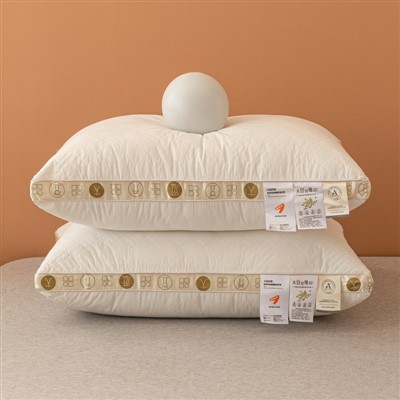
First, a quick refresh on why these sets are different. The anti-microbial tech we use isn’t just a fancy print—wait, no, hold on, it actually is (but a super safe kind that’s built into the fabric, not just sprayed on). We source the coating to target the stuff that makes you sneeze, like dust mites, mold, and odor-causing bacteria. That coating is delicate, though. Harsh products or rough washes will strip it before its time, so you’ve gotta be intentional with every step.
Let’s start with washing, because that’s the big one. A lot of people think “anti-microbial” means you can wash it on a super hot cycle to kill more germs, but nope—hot water (anything over 140°F or 60°C) will break down the protective coating. We recommend warm water, like 105°F to 115°F (40°C to 46°C) max. Why that temp? It’s hot enough to get rid of sweat and everyday grime, but not so hot that it kills the anti-microbial properties. Also, skip the overloading the washer. I see this all the time—people stuff 2 weeks worth of bedding into one load to save time, but that traps dirt and makes the detergent not rinse out right. We use a mild, liquid detergent, not powder. Powders have grit that can scratch the fabric and mess with the coating, and they often leave residue even after multiple rinses. Oh, and whatever you do, don’t use bleach. Bleach is a total enemy here. It doesn’t just fade colors (though we know that’s annoying) — it eats through that anti-microbial layer faster than anything. Even color-safe bleach is a no-go, so just stick to mild, fragrance-free detergent. Fragrances might smell nice, but they have harsh chemicals that break down the coating too.
Wait, what about fabric softeners? I get it, you want your sheets to feel soft—who doesn’t? But fabric softeners (even the “anti-static” or “natural” kinds) leave a waxy residue on the fabric. That residue clogs the tiny gaps where the anti-microbial agents live, so they can’t do their job. If your sheets feel stiff after washing, don’t reach for the softener. Instead, toss in a clean tennis ball or two into the dryer with them. They’ll fluff up the fabric without adding any gunk. And speaking of dryers—let’s talk about heat again. High heat is bad for anti-microbial bedding. We recommend tumble drying on low heat, or even air drying if you have the time. If you line dry outside, that’s actually great! The sun has natural anti-bacterial properties, and air drying keeps the coating intact way longer. Just don’t leave them hanging out in direct sun for days on end—some of our fabric dyes can fade a bit if left out too long (but that’s a small trade-off for keeping the coating working).
Another thing most people miss: what you wear to bed matters. Think about it—if you come home from work, run errands, or work out, and hop into bed in the same sweaty, dirty clothes, you’re transferring all that grime (and even makeup or lotion) onto your anti-microbial sheets. That grime doesn’t just make your bed feel icky—it can speed up the breakdown of the coating. So our quick tip is to change into clean pajamas before bed, even if you’re just staying in. It’s a tiny step that makes a huge difference. Also, if you have pets that sleep on your bed (no judgment, my dog lives on mine), that’s extra fur, dander, and potential dirt getting on the sheets. We recommend brushing your pet before they hop up, and maybe adding a washable pet bed at the foot of the bed so they don’t get right on the anti-microbial layer all the time. That being said, if your pet does get on the sheets, don’t panic—just wash them on the gentle cycle as soon as possible. Don’t let the dirt set in.
What about spot cleaning? Let’s be real, accidents happen. If you spill coffee, wine, or sweat on your sheets, you don’t need to run the whole set through the washer every time. But don’t scrub the spot hard—scrubbing can wear down the fabric and the coating around the area. Instead, use a mild, diluted detergent (mix a tiny bit with water) and dab the spot with a clean cloth. Blot, don’t rub. That’s the key. If it’s a tough stain, don’t reach for a stain remover spray—most of those have harsh chemicals that will mess with the anti-microbial layer. Instead, test a small, hidden area first (like the corner of the sheet) with the diluted detergent, and if it works, dab the stain gently. Then, when you do wash the whole set, that spot will come out way easier.
How often should you wash these sets? I get that washing bedding every week feels like a chore, and every two weeks is easier. But here’s the thing: anti-microbial bedding is designed to work when it’s clean. If you let dirt and oils build up, the coating can’t do its job. We recommend washing them every 7 to 10 days. Yeah, that’s a bit more frequent than regular cotton sheets, but trust me—your skin (and the people you sleep with) will thank you, and your set will last twice as long. Also, when you take them off, don’t just fold them up and stuff them in a closet. If you’re not using them for a while (like seasonal sets), make sure they’re completely dry before storing them. Moisture is the enemy of anti-microbial tech—it can lead to mold, which will not only ruin the sheets but also eat away at the coating. Store them in a cool, dry place, not a damp basement or attic, and maybe add a few cedar blocks to keep moths away (cedar is natural, so it won’t harm the fabric or the coating).
Wait, let’s address a common myth: “if it’s anti-microbial, I don’t have to clean it as much.” That’s 100% not true. The tech kills bacteria on the fabric, but it can’t get rid of all the dirt, oils, and dead skin cells that build up over time. Those things will still make your bed feel gross, and they’ll break down the anti-microbial coating faster. So washing regularly is non-negotiable, even if you have this fancy tech.
Another pro tip: when you’re drying, take the sheets out as soon as the dryer cycle ends. Leaving them in a hot dryer (even on low) for hours can still damage the fabric and the coating. We’ve tested this—sets that are pulled right out are softer and have better anti-microbial performance than ones left in for an extra hour. Also, don’t iron these sheets. Ironing high heat will absolutely strip the coating, and even low heat ironing isn’t worth the risk. Most anti-microbial fabric gets soft wrinkles naturally, so just embrace that—ironing isn’t needed here.
Now, who are these sets for, anyway? If you have allergies, asthma, or dust mite issues—this is a game changer. But even if you don’t, these sets reduce odors (like sweaty bed odor) way better than regular sheets. But to keep them working, you’ve gotta follow these steps. I’ve seen customers who’ve had our sets for 2 years and they still work as good as the day they bought them, and others who treated them like regular sheets and had to replace them in 6 months. The difference? Following these simple care rules.
Let me wrap this up. The biggest takeaways are: wash on warm (not hot) water, use mild liquid detergent, skip bleach and fabric softeners, dry on low heat or air dry, change into clean pajamas, wash every 7-10 days, spot treat gently, and don’t iron or over-dry. It’s not rocket science—just a few small swaps from how you’d care for regular bedding. If you follow these, your anti-microbial set will last for years, keep your bed fresh, and save you money in the long run.
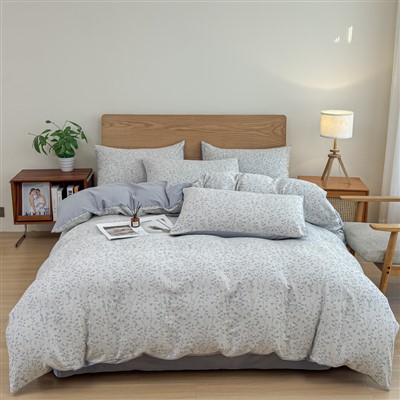
If you’re thinking about upgrading to anti-microbial bedding, or if you already have a set and need more tips, don’t hesitate to reach out. We’re always here to help with care questions, sizing, or anything else. No pushy sales talk—just people who know bedding inside and out. Let’s chat.
Tencel 4-piece Sheet Set References
- Environmental Protection Agency. (2020). Antimicrobial products: A guide for consumers.
- Textile Institute. (2021). Care guidelines for functional textile finishes.
- Journal of Allergy and Clinical Immunology. (2019). The role of bedding fabric properties in reducing indoor allergens.
- Cotton Incorporated. (2022). Best practices for laundering performance textiles.
Jiangsu Weisha New Energy Technology Co., Ltd.
As one of the most professional bedding set manufacturers in China, we’re featured by quality products and low price. Please rest assured to buy discount bedding set made in China here and get quotation from our factory. We also accept customized orders.
Address: Buildings 13-14, Standard Factory Building, Sanhe Kou Village, Chuanjiang Town, Tongzhou District, Nantong City, Jiangsu Province
E-mail: 348030855@qq.com
WebSite: https://www.weishatex.com/
