If you’ve ever shipped a 1000W to 2000W medium portable power station, you know it’s not just a boxed battery—this is a device packed with lithium-ion cells, circuit boards, and delicate charging ports that need to arrive at your customer’s door in the same shape they left our warehouse. As someone who’s spent the last four years shipping thousands of these units, troubleshooting damaged shipments, and refining our process to cut down on returns, I’m here to walk you through exactly how we transport these power stations safely, efficiently, and in full compliance with global shipping rules. I won’t hit you with stuffy regulatory jargon you can’t use—this is the real-world, on-the-ground stuff we actually do every day. Medium Portable Power Stations 1000W–2000W

First, let’s get one thing straight: a 1000W to 2000W portable power station isn’t the same as your phone’s tiny battery, and it’s not a commercial solar farm battery bank either. These mid-sized units are the sweet spot for campers, van lifers, tailgaters, and small construction teams—they’re heavy enough to run a mini fridge and a power drill for a full day, but light enough to haul from your trunk to a camping site. That weight (usually between 25 and 55 pounds, depending on features) and the lithium-ion content is why shipping them has to be intentional. Skimp on the right packaging or cut corners on compliance, and you’re looking at a damaged unit, a canceled order, or even a shipping service refusing to touch your package.
Let’s start with the foundation: pre-shipping preparation, which begins long before you print a label. I’ve seen too many teams toss a power station into a generic box and call it a day—one of our biggest learning moments came back in 2021, when we lost 12 units in a single week to rough handling that crushed the charging ports and cracked the outer casing. Now, every power station leaves our warehouse with three layers of protection, tailored specifically for the 1000W–2000W range.
First, we prep the unit itself. This sounds basic, but it’s non-negotiable: before packing, we fully discharge the unit to 30% state of charge (SOC). Why? Lithium-ion batteries, which power all these mid-sized power stations, are most stable at 20-30% charge. Packing them fully charged (100% SOC) increases the risk of thermal runaway if the battery is punctured or short-circuited—something the International Air Transport Association (IATA) strictly regulates for air shipping. The 30% mark isn’t arbitrary, either: we test every unit before packing to confirm it doesn’t drop below 25% during a 10-day period, so it stays within safe limits no matter how long it sits in a shipping truck or warehouse. We also tape all external ports and the AC/DC input covers closed. Loose ports can get jammed, dust can seep in, and during transit, nothing jostles around inside the case like a loose cable or port cover. A quick strip of clear packaging tape on each port isn’t flashy, but it’s saved us from hundreds of damaged units over the years.
Next, the inner packaging. Each power station sits on a custom-molded foam insert made from closed-cell polyethylene—think the tough, dense foam used in camera cases, not the flimsy craft foam. For mid-sized units, we split the foam into two pieces: a base that cradles the bottom of the power station’s metal frame (the part that doesn’t have the heavy battery cells), and a top piece that fits over the control panel and screen, which are the most delicate parts. We don’t use bubble wrap here—it’s too soft and can shift during rough handling. One year, we tested bubble wrap for a pilot batch of 500 units, and 17 had cracked screens by the time they arrived. The molded foam might cost a few extra cents per unit, but it’s the difference between a unit that survives a 10-foot drop and one that’s dead on arrival. We also add a thin layer of anti-static bubble film around the foam insert to prevent static discharge, which can fry the internal circuit boards—another mistake we made early on, when 8 units were returned with non-functional USB ports from static damage.
Then comes the outer box, and this is where most people get it wrong. We use a double-walled corrugated box rated for 150 pounds of burst strength—way higher than the 50-pound max weight of our heaviest 2000W unit. We line the bottom of the outer box with 2 inches of crumpled kraft paper, not Styrofoam peanuts (they shift and leave gaps, which cause units to bang around). After placing the foam-wrapped power station inside, we fill any gaps on the sides and top with more crumpled kraft paper, then seal the box with 3-inch wide packing tape, applied in an H-pattern across the top and bottom. No little pieces of tape here—we use a full 36 inches of tape per seam to prevent the box from splitting open on a truck ramp or at a cargo sorting facility. We also label the box clearly with two key things: “Lithium Battery Powered Equipment” in bold, 2-inch font, and the UN 3481 classification code, which is the standardized code for lithium batteries packed in equipment. This isn’t just for show—shipping carriers (both ground and air) won’t pick up packages with lithium batteries without this label, and mislabeling can result in fines or the package being rejected mid-transit.
Now, the big question: how do you choose the right shipping method for a 1000W–2000W power station? Most people default to whatever’s cheapest, but that’s a mistake—for mid-sized units, the mode of transport makes a huge difference in damage rates, delivery time, and cost. Let’s break down the three main options we use, and when each makes sense.
First, ground shipping. For domestic orders (within the same country), ground shipping is our go-to for 80% of our shipments. Why? It’s cheaper than air, it’s less scrutinized by customs, and ground transit is gentler on lithium batteries than air, especially for mid-sized units. The longest ground shipment we handle regularly is 1,200 miles, and we’ve found that units arrive with less damage via ground than air for distances under 1,500 miles. The key here is choosing a carrier that has experience shipping lithium-ion batteries—smaller, local carriers might not know the UN labeling rules, so we stick to national carriers with dedicated hazardous materials (HazMat) teams for battery shipments. We also recommend ground shipping to customers ordering multiple units—shipping two 2000W units at once is cheaper via ground, and less risky than air. The only downside to ground shipping is that it’s slower for long distances: a 1,000-mile trip takes 3-5 days via ground, versus 1-2 days via air.
Second, air shipping. We only use air shipping for international orders or expedited domestic orders where the customer needs the power station in less than 48 hours. But here’s the catch: not all air shipping is the same. For lithium batteries packed in equipment (which is what our power stations fall under), IATA rules allow air transport, but the unit’s watt-hour (Wh) rating has to be under 100 Wh for some simplified rules—but wait, our 2000W units are usually 1,500 Wh to 2,000 Wh, which is well above that. So we have to use a special air cargo option for large lithium battery equipment, which is more expensive than ground. For international shipments to Europe, for example, air shipping a single 2000W power station costs about twice as much as ground, but it gets there in 5 days instead of 21. We also require extra documentation for air shipments: a battery safety declaration that confirms the unit is packed correctly, has less than 30% SOC, and poses no fire risk. Most customers don’t need this for ground shipping, but air requires it, and missing it will hold up the package in customs for days. The biggest mistake people make with air shipping mid-sized power stations is assuming it’s as simple as ground—you have to factor in the extra documentation and cost, and make sure your packaging meets IATA’s strict drop-test requirements (we do a 1.2-meter drop test of a packed unit every month to confirm it meets standards).
Third, specialty logistics for bulk orders. If you’re shipping 10 or more power stations at once (like a small business buying for its team, or a retail store stocking its shelves), we use LTL (less-than-truckload) shipping, which is cheaper than sending multiple ground packages. For bulk orders, we palletize the units—we wrap 10 units per pallet, secured with stretch wrap and corner protectors, and label the pallet with the same battery classification. The downside here is that bulk pallets are handled more roughly than individual packages, so we add extra foam padding to the bottom and sides of the pallet to prevent damage. We also require that the pallet stays on the ground at all times during transit—no lifting it by the top, which can crack the casing. For bulk international orders, we work with a logistics provider that specializes in battery-powered equipment, because they know all the customs rules for lithium batteries in different countries—rules vary wildly: the EU requires a specific CE certification mark on the package, Australia requires a separate lithium battery declaration, and some countries in Southeast Asia still don’t allow air shipping for batteries over 1000 Wh, so ground is the only option.
Now, let’s talk about common mistakes we see other sellers (and even new customers) make when transporting these mid-sized power stations, because these are the things that lead to most issues. First, overpacking or underpacking. We had a customer once ship a 1500W power station in a tiny box with no padding, because they thought it was “close enough”—the unit arrived with a cracked control panel, and the customer left a 1-star review saying the power station was defective. It wasn’t defective—it was damaged in transit. On the flip side, we’ve seen people use a box that’s too big, filling it with too much bubble wrap, which allows the unit to shift during transit. The ideal gap between the foam insert and the outer box is no more than 2 inches on all sides—any more, and the unit can move.
Second, not checking local and international shipping rules. I’ve heard horror stories of customers ordering a 2000W power station and having it rejected at customs because the package didn’t have the correct UN label, or because the watt-hour rating wasn’t clearly listed. In the US, the FAA regulates lithium battery shipping, while in Canada, it’s Transport Canada, and in the EU, it’s ECHA (European Chemicals Agency). These rules change every few years, so if you’re shipping regularly, don’t rely on old advice—check the latest guidelines from your country’s transport authority every time you update your shipping process.
Third, choosing the wrong carrier. A lot of people pick a carrier based on price alone, but for lithium batteries, experience matters. A carrier that handles electronics regularly is better than a general freight carrier that handles furniture and boxes all day. We had a bad experience with a cut-rate carrier a few years ago—they lost a shipment of 50 units, and when we filed a claim, they said they “didn’t know the packages had batteries” and refused to pay. Now we only work with carriers that have a dedicated HazMat team for batteries, even if they’re 10% more expensive.
At the end of the day, transporting a 1000W–2000W medium portable power station isn’t rocket science, but it does require attention to detail and compliance with specific rules. It’s about protecting a product that’s designed to keep people powered wherever they go, so it’s important that it arrives in working order. As a supplier, we don’t just sell power stations—we make sure they get to you safely, no matter where you are. If you’re ordering bulk units for your business, a retail outlet, or just need a reliable partner for your power station needs, we’re here to help you navigate the shipping process, answer questions about compliance, and make sure your shipment arrives on time and intact. Whether you’re a small business owner looking to stock your shop, an event planner needing backup power for a festival, or a van lifer stocking up for your next cross-country trip, we can work with you to find the best transport solution for your needs.
If you’re ready to place an order or discuss bulk shipping arrangements, reach out to our team directly—we’re here to help you every step of the way.
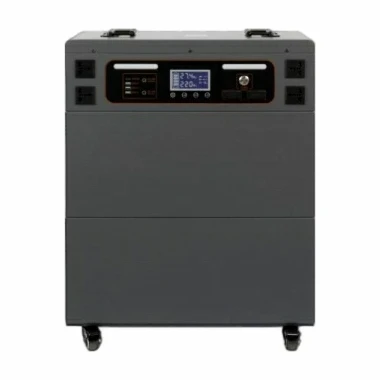
Trolley Heavy-Duty Power Stations 4000W–5000W References
International Air Transport Association (IATA). (2023). Dangerous Goods Regulations.
United States Department of Transportation (USDOT). (2022). Lithium Battery Shipping Guidelines.
European Chemicals Agency (ECHA). (2021). Guidance on the Transport of Lithium Batteries for Non-Transport Purposes.
Portable Power Association. (2023). Best Practices for Shipping Medium Portable Power Stations.
Guangdong Joinwin Global Digital Intelligence Technology Co., Ltd.
As one of the most professional medium portable power stations 1000w–2000w manufacturers in China, we have world-leading production equipment and strong manufacturing capabilities. Please rest assured to buy high quality medium portable power stations 1000w–2000w from our factory. Customized orders are welcome.
Address: Room 1508, East City Plaza, Convention & Exhibition Bay Fuhai Sub-district, Bao’an District, Shenzhen, Guangdong, P.R. China
E-mail: bruceyang@joinwinenergy.com
WebSite: https://www.joinwinpower.com/
