If you’ve ever opened a door smoothly without it slamming shut, stretched a rubber band that snaps back perfectly, or ridden a bike that handles tight turns without wobbling, you’ve interacted with a product made from spring steel wire—often without even realizing it. As a spring steel wire supplier, I field at least a dozen questions a week from new buyers asking what industries rely on this versatile material, beyond just the obvious “springs for cars” they hear on the news. The truth is, spring steel wire is one of those unsung industrial workhorses, used in everything from life-saving medical devices to the tiny parts in your phone, because it balances two critical properties: extreme tensile strength and the ability to return to its original shape again and again, no matter how many times it’s bent or stretched. Let’s break down the most common industries that depend on high-quality spring steel wire, and why choosing the right grade of that wire makes all the difference for their end products. Spring Steel Wire
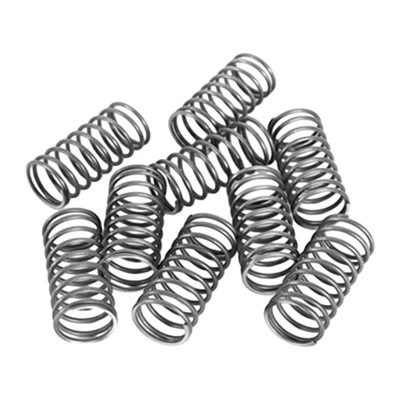
First on the list, and still one of the largest consumers of spring steel wire globally, is the automotive industry. Anyone who’s worked on a car knows there are springs everywhere—small ones under dashboard buttons, larger ones in the suspension system that absorbs potholes, even springs tucked inside fuel injectors that regulate how much gas flows to the engine. But modern automotive use of spring steel wire is far more sophisticated than the heavy, coarse wire used for Model T leaf springs. Today’s electric vehicles (EVs), in particular, push spring steel wire to its limits. For example, the valve springs in an internal combustion engine cycle up to 10,000 times per minute, so they need wire that won’t fatigue or snap even after thousands of miles of driving. For EVs, the demand shifts to wire for battery pack enclosures and thermal management systems, where springs hold cooling plates in place to prevent overheating, and for the tiny precision springs in charging ports that keep connections tight even when the car is jostled on rough roads. I’ve worked with several automotive component manufacturers that switched to high-carbon chrome-silicon spring steel wire a few years back, specifically to meet stricter emissions standards that rely on more precise fuel delivery systems. The result? Longer part lifespans, fewer warranty claims, and a product that performs consistently in extreme weather, from freezing Canadian winters to scorching Arizona summers.
Next, the medical device industry is a sector that doesn’t get talked about much when it comes to spring steel wire, but it’s arguably one of the most critical. Here, spring steel wire is used in applications where failure isn’t an option—think surgical tools, implantable devices, and diagnostic equipment. For example, the retractable needle in a syringe that prevents needlestick injuries is made from a thin, precision-drawn spring steel wire; it needs to retract smoothly after use, every single time, without jamming. For orthopedic implants, spring steel wire is used in sutures that hold incisions closed, especially for procedures that require extra flexibility, like hand surgery or sports medicine repairs. Even more advanced, it’s used in the stent systems placed in blocked arteries: the stent itself is a tiny mesh tube made from spring steel wire that’s compressed for insertion into a blood vessel and then expands on its own to keep the artery open. The grade of spring steel wire here is non-negotiable; it has to be biocompatible, resistant to corrosion in the body’s fluids, and flexible enough to navigate delicate blood vessels without damaging tissue. I recently supplied wire for a manufacturer of minimally invasive surgical tools, and they explained that their entire product line’s FDA approval hinged on switching from a lower-grade steel to our medical-grade spring steel wire, because the old wire had a tendency to develop tiny micro-cracks after repeated sterilization. That’s the kind of impact this material has on life-saving products—one cracked spring in a stent could mean a patient needs a second procedure, so quality isn’t just a selling point here, it’s a requirement.
The consumer electronics industry is another huge user, driven by the demand for smaller, thinner, and more durable devices that people rely on for daily life. Think about the phone in your pocket: how does the SIM card tray pop out? That’s a tiny spring made from spring steel wire, engineered to deliver just the right amount of tension so it’s not too hard to push the SIM eject tool, but not so loose that the tray falls out on its own. The same goes for the button on your wireless earbud case, the hinge mechanism on foldable phones, and even the springs inside the vibration motors that make your phone buzz when you get a text. For laptops, the screen hinges often use coiled spring steel wire to provide the smooth, consistent tension that lets you open and close the screen with one hand, without it slamming shut. The challenge here is that electronics are getting smaller every year, so the spring steel wire used has to be extremely thin—sometimes just a fraction of a millimeter in diameter—while still holding up to thousands of cycles. I’ve had buyers from smartphone manufacturers tell me that their biggest quality complaint used to be broken eject springs, until they switched to our precision-drawn spring steel wire, which has tighter tolerances and a more uniform structure, reducing the risk of breakage. As smart watches and wearables grow more popular, that demand is only going up; those tiny bands, heart rate monitor sensors, and even the springs that adjust the fit of the watch all rely on this material.
Moving to the construction and infrastructure industry, which is often overlooked, but spring steel wire is a key component in the parts that keep buildings and roads safe. For example, in concrete reinforcement, spring steel wire is used to make welded wire mesh, which is laid before pouring concrete to prevent cracking from settling or weather changes. The high tensile strength of spring steel means the mesh can bear heavy loads without stretching, making it ideal for highways, bridges, and high-rise buildings. Another big use here is in door and window hardware: the springs that hold garage doors open and closed, the hinges on commercial entry doors that can handle thousands of uses a year, and even the springs in fire escape ladders that extend and retract smoothly. For bridges, suspension systems rely on thick spring steel wire cables that hold the weight of the bridge deck; these cables can be thousands of feet long, made by twisting thousands of individual spring steel wire strands together. The material’s resistance to corrosion and fatigue makes it perfect for outdoor use, where it has to stand up to rain, snow, and extreme temperature swings. I’ve worked with road construction companies that prefer our galvanized spring steel wire for mesh because the zinc coating adds an extra layer of protection against rust, extending the lifespan of the concrete structure by decades.
The agriculture industry might be the most surprising on this list, but it’s a huge consumer of spring steel wire, especially as farms adopt more automated equipment. Tractors, combines, and harvesting equipment rely on springs made from spring steel wire for everything from the clutch systems that let you shift gears, to the tines on hay rakes that pull and cut hay without bending or breaking. Even smaller farm equipment, like electric fence components, uses spring steel wire for the tensioners that keep the fence wire tight, so it doesn’t sag or break during a storm. For large-scale irrigation systems, the pivots that move the sprinkler arms use springs made from high-strength spring steel to maintain consistent pressure, ensuring crops get the right amount of water without wasting resources. I recently supplied wire to a company that builds automated feeding systems for cattle; the system uses small springs to open and close feeding gates at set times, and the springs have to hold up to thousands of open-and-close cycles in dusty, outdoor conditions. The buyer told me that before they switched to our spring steel wire, their feeding gates would jam every few months, costing them thousands in lost productivity during planting and harvest seasons. That’s the kind of real-world impact this material has on industries that feed our communities.
I also can’t forget the industrial and manufacturing sector, which uses spring steel wire in thousands of different applications, from assembly line equipment to power tools. Conveyor systems use springs made from this wire to adjust tension on belt drives, so the belt doesn’t slip or wear out too quickly. Power tools like drills, saws, and sanders rely on springs to activate triggers, hold drill bits in place, and absorb vibration during use. Even heavy equipment like cranes and forklifts use springs in their control systems and safety mechanisms, to prevent overloading and ensure the equipment operates smoothly. For manufacturers that produce custom parts on-demand, spring steel wire is the go-to material because it can be drawn into almost any diameter, shaped into any form (coiled, bent, cut), and hardened to meet specific strength requirements. As a supplier, that’s what I love most about working with this material—its versatility means it can adapt to almost any customer’s needs, whether they’re making a tiny part for a smart watch or a massive cable for a bridge.
Of course, not all spring steel wire is the same. The best suppliers know that different industries need different grades of steel, different coatings, and different tolerances. For medical use, you need grades that are non-toxic and corrosion-resistant. For automotive use, you need grades that can withstand high temperatures and repetitive stress. For construction, you need wire that’s galvanized to resist rust. That’s why it’s so important for buyers to work with a supplier who understands their specific industry needs, not just someone who can sell generic wire.
If you’re working in any of these industries, or another one that uses spring steel wire, and you’re looking for a reliable supplier that can deliver high-quality, consistent wire to meet your unique specifications, don’t hesitate to reach out for a conversation. Whether you need a small batch for a prototype or a large ongoing order for mass production, we can work with you to find the right grade of spring steel wire for your application, and ensure it meets all quality and performance requirements.
Spring Steel Wire References
- ASM International. (2020). Spring Steel Wire: Properties, Applications, and Manufacturing. Materials Park, OH: ASM International.
- Medical Device Manufacturers Association. (2021). Materials Selection for Implantable and Disposable Medical Devices. Washington, DC: Medical Device Manufacturers Association.
- International Organization for Standardization. (2019). ISO 8458: Wrought Steels for Springs – Wire. Geneva, Switzerland: ISO.
- Society of Automotive Engineers. (2022). SAE J1120: Spring Steel Wire for Automotive Applications. Warrendale, PA: SAE International.
- American Iron and Steel Institute. (2020). Steel Applications in Construction and Infrastructure. Washington, DC: American Iron and Steel Institute.
Baoding Zhongxin Spring Manufacturing Co., Ltd.
We’re known as one of the most reliable spring steel wire manufacturers and suppliers in China. With abundant experience, we warmly welcome you to buy durable spring steel wire made in China here and get pricelist from our factory. All customized springs are with high quality and competitive price.
Address: West Side, 200 Meters North of Chenzhuang Gas Station, Pangkou Town, Gaoyang County, Baoding City, Hebei Province, P.R. China
E-mail: 13292951555@163.com
WebSite: https://www.zhongxinind.com/
