If you’ve ever wandered through a textile factory at 3 a.m., you’d know it’s equal parts loud, steamy, and full of random little mysteries that make or break a batch of fabric. Last month, I got a frantic call from a small textile mill in North Carolina I’ve worked with for years—they were stuck on a linen blend order for a luxury apparel brand. Their dye bath pH was swinging wildly every time they switched bolt weights, the fabric was coming out splotchy, and they were losing $10k a day in rework. Their usual go-to fix was dumping more caustic or acid to adjust pH, but that was only making things worse—corroding their tanks, wearing out dye equipment, and forcing them to shut down for 2 hours every other day to recalibrate. I didn’t have to think twice to suggest a buffered solution. But before I dive into that, let’s cut the jargon: no, this isn’t some lab-only chemical trick only PhDs understand. It’s the same buffered solutions we’ve been supplying for years, and they’re way more game-changing for textiles than most people in the industry realize. Buffered Solution

Let’s start with the basics so we’re all on the same page. Textile processing is all about controlling pH, full stop. Every step—scouring to remove raw fiber impurities, bleaching to brighten fabric, dyeing to lock in color, even finishing to add softness—depends on a super specific pH range. For example, reactive dyes (the kind used for cotton t-shirts, bed sheets) work best at a pH of 10 to 11, acid dyes for wool or silk need a pH of 4 to 5, and even the rinsing step after dyeing can’t be too alkaline or acidic or it’ll fade the fabric later. Old-school factories run on manual pH tests—someone dipping litmus paper or a cheap meter every 30 minutes, adding acid or base on the fly. But here’s the catch: dye baths aren’t static. They get diluted as fabric goes through, fibers leach out chemicals, water temperature shifts, and if you’re running multiple batches in the same day, that pH can swing 1 or 2 full points before you even notice. One point off might not sound like a big deal, but for dyeing? That’s the difference between a “perfect” navy and a pale gray that gets sent back. That’s where buffered solutions come in. Unlike plain acid or caustic, they resist pH changes when more water, fabric, or chemicals get added. They hold that sweet spot steady, no constant tweaking required.
I know what some of you are thinking—buffers are for labs, right? Who uses that in a factory where machines run 24/7? Nope, that’s a myth we’ve busted with hundreds of clients over the last 7 years. Let’s talk about where buffered solutions actually shine in textile workflows, because this isn’t a one-size-fits-all product. Take scouring, for example. When you first process raw cotton, it’s coated in natural waxes, pectins, and other gunk that makes it rough and impossible to dye. Scouring uses a highly alkaline solution, usually sodium hydroxide, but if the pH gets too high during the process, you risk damaging the cotton fibers—making them brittle, shortening their lifespan, or even weakening the fabric so it tears when a customer washes it. A buffered alkaline scouring solution keeps pH locked at 13, even when you add more fabric or water mid-batch. One of my clients in Georgia switched their scouring process to our buffer last year, and they cut fiber breakage by 22% in the first month. That’s less rework, less waste, and longer-lasting fabric.
Next up: dyeing, which is where most of the pH headaches happen. Whether you’re working with natural fibers (cotton, linen, wool) or synthetics (polyester, nylon), dye molecules only bind to the fiber at their ideal pH. If it dips too low or too high, the dye either doesn’t stick at all (resulting in pale color) or binds unevenly (splotches, streaks, patchy color). A quick stat from a textile industry report I saw last year: 30% of dye-related defects are directly caused by unregulated pH swings. Our buffered dyeing solutions are tailored to exact dye types—we have separate ones for reactive dyes, acid dyes, disperse dyes (for polyester), even for specialty stuff like sublimation inks. A mill in South Carolina that prints custom athletic wear switched to our buffered reactive dye solution 6 months ago, and their color rejection rate dropped from 8% to less than 2%. That’s not just good for their bottom line—they can meet tight turnaround times for brands that need orders fast, no last-minute fixes.
Wait, what about bleaching? Bleaching uses hydrogen peroxide, right? And hydrogen peroxide works best at a pH of around 10.5, but if it drops too low, it stops working and leaves fabric yellow, and if it goes too high, it can cause fiber degradation. A buffered bleaching solution keeps that pH right where it needs to be, so the hydrogen peroxide does its job evenly. One of the first clients we ever worked with was a small linen mill in Oregon that was struggling with yellow linen fabric after bleaching—their batches would come out inconsistent, so they had to sort fabric by hand to separate good and bad pieces. Once they switched to our buffered bleaching buffer, they cut that sorting time by 40% and only had 1 bad batch in 3 months. That’s the kind of win that keeps me up at night (in a good way, not the “stressed about chemistry” way).
Now, let’s get real about the unspoken costs of not using buffers, because a lot of factories only look at the upfront cost of chemicals, not the hidden fees. When you’re constantly adding acid or base to fix pH swings, you’re wasting money on over-dosed chemicals—some of it doesn’t even react with the fabric, it just gets washed down the drain. Then there’s equipment maintenance: plain caustic and acid are way more corrosive than buffered solutions, right? One of our clients in Alabama replaced their dye tank liners every 18 months before switching to buffered solutions; now they’re going 4 years between replacements. That’s $15,000 saved on tank parts alone, every 2 years. Also, wastewater treatment—regulations are getting stricter on textile factories’ wastewater pH, because if it’s too acidic or alkaline when it goes into the local river, it can kill fish and mess up the ecosystem. Buffers mean you’re not dumping random amounts of acid or base to adjust before sending wastewater out, so you’re way more likely to pass EPA inspections and avoid fines. Last year, a client in Texas told us they avoided a $20,000 fine for incorrect wastewater pH right after switching to our buffered solution.
I know, I know—change is hard, especially in an industry that’s been doing things the same way for 50 years. We get a lot of pushback from factories that say “our current process works fine” or “we don’t want to invest in new chemicals.” But here’s the thing: using a buffered solution doesn’t require you to tear out your machines or train your whole staff on a new system. It’s just swapping one chemical for another that works better with your existing setup. We’ve even done on-site tests for new clients where we bring a small batch of our buffer, run it side by side with their current chemical in the same dye or scouring step, and show them the difference in the fabric. 9 times out of 10, they’re sold right there.
Wait, but is there a downside? No product is perfect, right? Buffers only work if you pick the right one for your specific process. If you use an alkaline buffer for an acid dye, that’s not going to help at all—you need to match the buffer to the pH range your process needs. That’s why we don’t just sell a one-size-fits-all bottle; we work with each client to audit their current process, figure out where their pH is swinging, and tailor a buffered solution to their exact needs. We also provide free on-site training for staff, because if no one knows how to use it, it’s not going to work. We’ve had clients call us and say “we tried a random buffer from a generic supplier and it didn’t work”—that’s because it wasn’t matched to their fabric type or their equipment. Our solutions are tested with textile equipment, water types (hard vs soft water makes a huge difference in pH, by the way—hard water has minerals that mess with pH), and common fabric blends.
Let me share a recent example to make this concrete. A mill in North Carolina that makes organic cotton baby clothing (super important to them, because their customers are parents who care about safe, non-toxic products) was struggling with two issues: their bleached fabric had faint spots every other batch, and they were using so much caustic that their wastewater tests came back at the upper limit of allowable pH. Organic clothing can’t have leftover chemicals on it, so they were also worried about customer complaints. We did a site visit, found their bleaching pH was swinging from 10 to 12 in the middle of the process because they were adding more fabric partway through. We sent them a custom buffered bleaching solution, worked with their operations team to adjust how they added fabric during the batch, and 2 months later, their spot rate dropped to zero, their caustic usage went down by 35%, and they passed their EPA wastewater test with room to spare. They even put a note on their product labels about using consistent, safe processing—something that appealed to their eco-conscious customers and boosted their sales by 12% in 3 months. That’s the kind of win that proves buffers aren’t just a lab trick—they’re a business tool.
I know a lot of people in the textile industry are tired of being pitched the next “magic bullet” chemical that’s supposed to fix all their problems. That’s why we don’t promise the world. We promise to help you cut waste, reduce rework, lower equipment maintenance, and make better fabric. We’ve seen it work for small mom-and-pop linen mills that run 2 shifts a day, and for big national brands that do millions of yards of apparel fabric a year. Buffers aren’t just for labs anymore—they’re a core part of modern textile processing, and anyone who’s not using them is leaving money on the table.
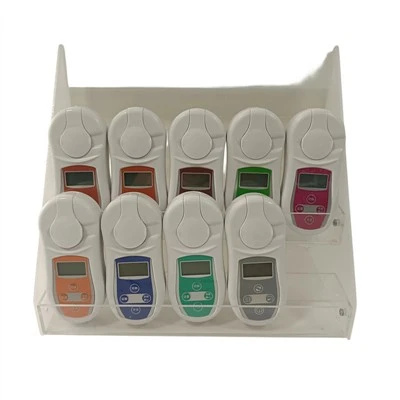
If you’re tired of splotchy dye, broken fibers, frequent equipment repairs, and unnecessary rework, we can help. We offer free process audits, on-site testing, and tailored buffered solutions for every textile step. Drop us a line to chat—whether you’re a small mill with 2 machines or a big factory with 10 lines, we can find a solution that fits your needs. Let’s stop fighting pH swings and start making better fabric, together.
Microbiology Laboratory Equipment References
- Textile Institute. (2022). pH Control in Textile Wet Processing: Common Challenges and Solutions.
- American Association of Textile Chemists and Colorists (AATCC). (2023). Defect Reduction in Dyeing Operations: The Role of pH Buffers.
- U.S. Environmental Protection Agency (EPA). (2021). Wastewater Management Guidelines for Textile Manufacturing Facilities.
- Journal of Industrial Textiles. (2022). The Impact of pH Stabilization on Fiber Integrity and Textile Product Lifespan.
Hangzhou Qiwei Instrument Co., Ltd.
Hangzhou Qiwei Instrument Co., Ltd. is one of the most reliable manufacturers and suppliers of buffered solution in China, featured by quality products and good service. Please rest assured to buy bulk durable buffered solution in stock here from our factory. We also accept customized orders.
Address: Room 101, Building 25, No. 488-1, Donghu North Road, Linping District, Hangzhou City, Zhejiang Province, China
E-mail: info@qiweilab.com
WebSite: https://www.qiweilab.com/
